This blog covers topics that interest me in art, computer science, and academia.
My homepage, with academic papers and other links, is here: https://www.dgp.toronto.edu/~hertzman.
The opinions here are mine alone, and do not represent those of any institutions I’m affiliated with.
Posts
-
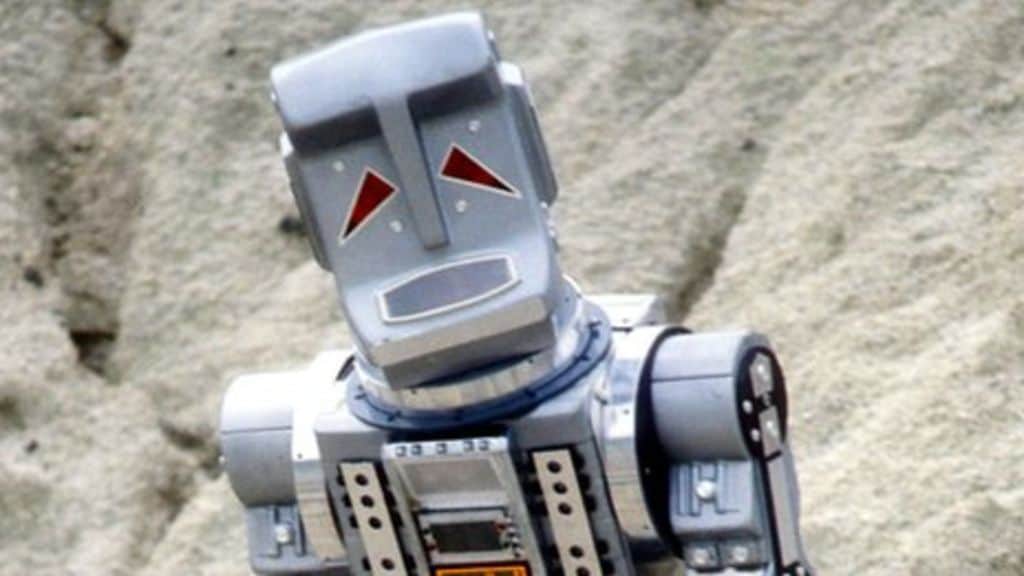
Science Fiction AI Has Nothing to Do with Real-World "AI"
Science fiction is fiction, not science
-
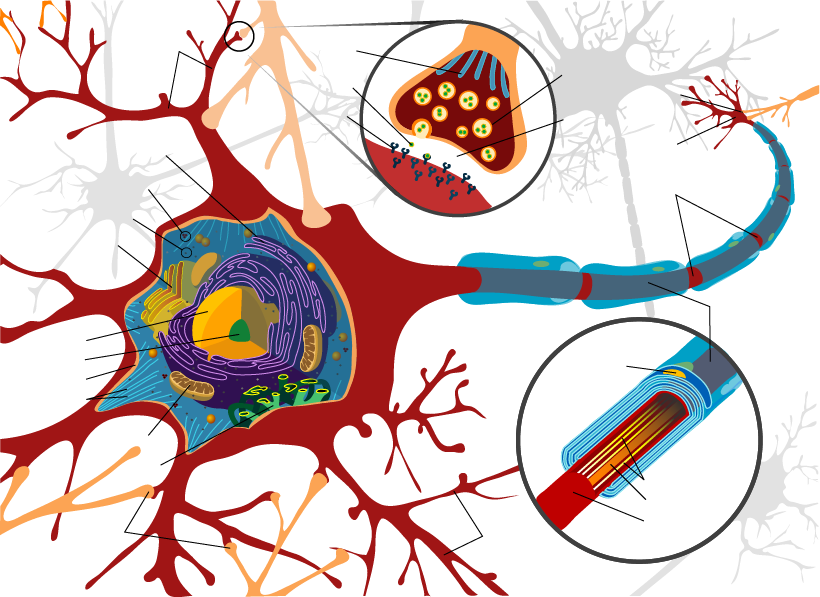
The Brain Is Not Just A Computer, and Cannot Be Simulated by One
Digital computers perform fixed logical operations on clock cycles; brains are biological systems of staggering complexity.
-
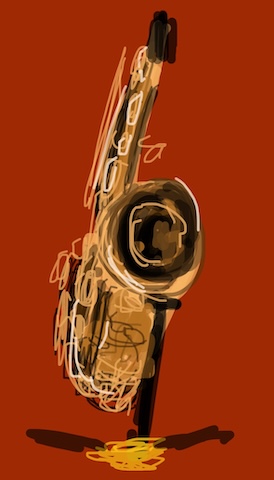
Scribbling, Abstract Art, and Visual Recognition
Interesting connections between sketching and human vision
-
People and Animals are Conscious
How we can know that people are not philosophical zombies
-
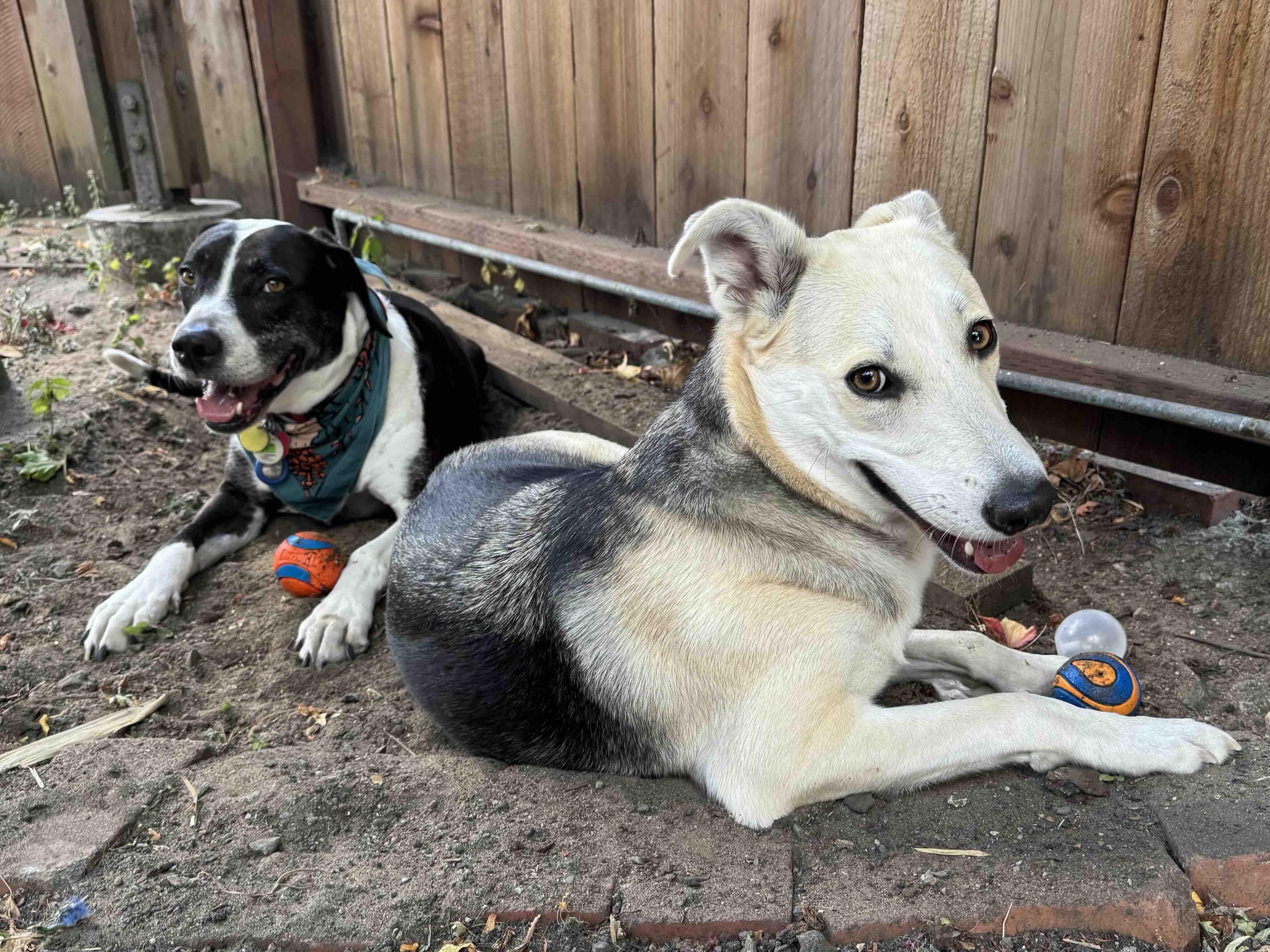
Dogs Do Not Know Things
Some things I've learned from working with dogs
-
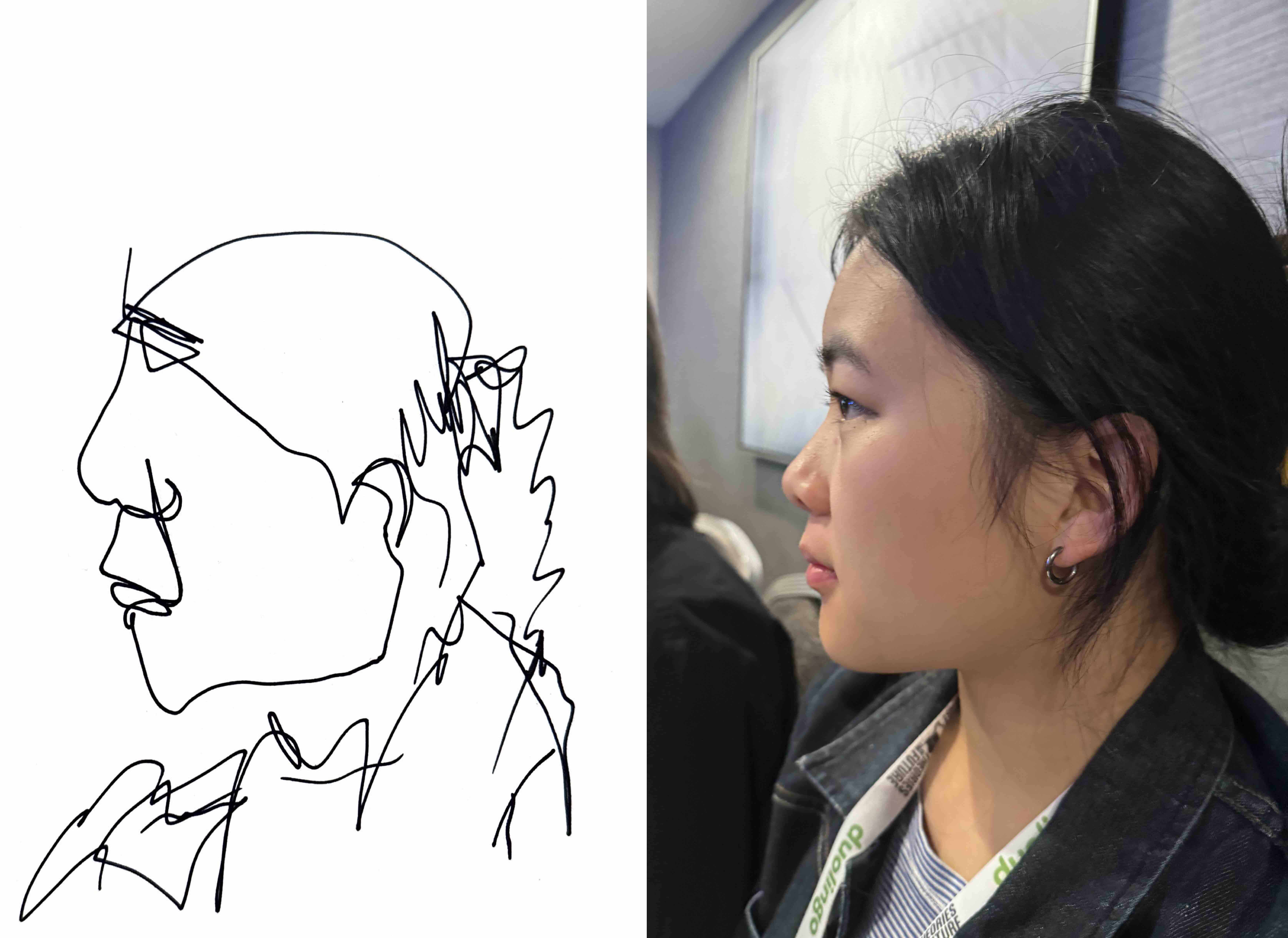
Why Drawing is Hard: Visual Limitations and the Skills to Overcome Them
Limitations of our vision makes drawing hard
-
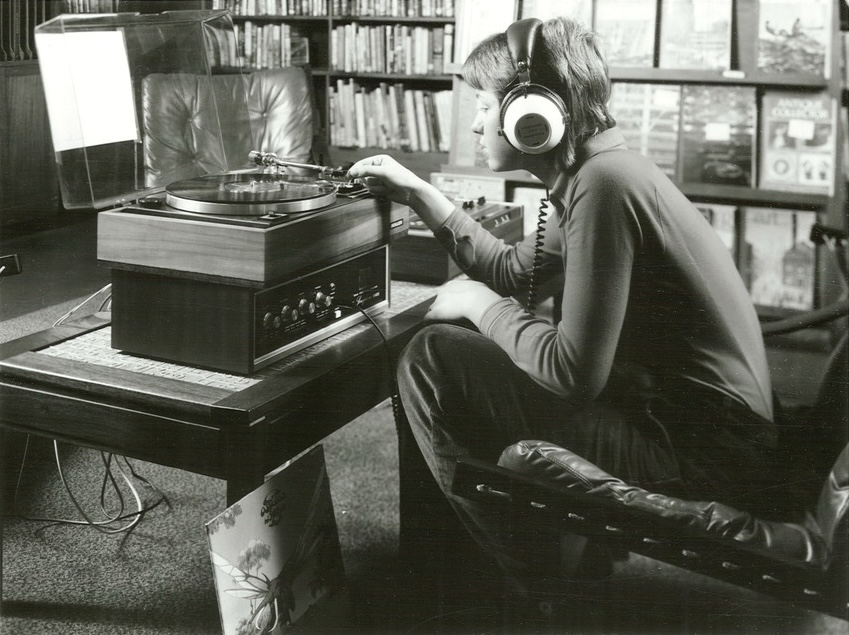
Technology and Social Isolation: From Cars to “AI”
A story about how technology has tended to increase isolation.
-
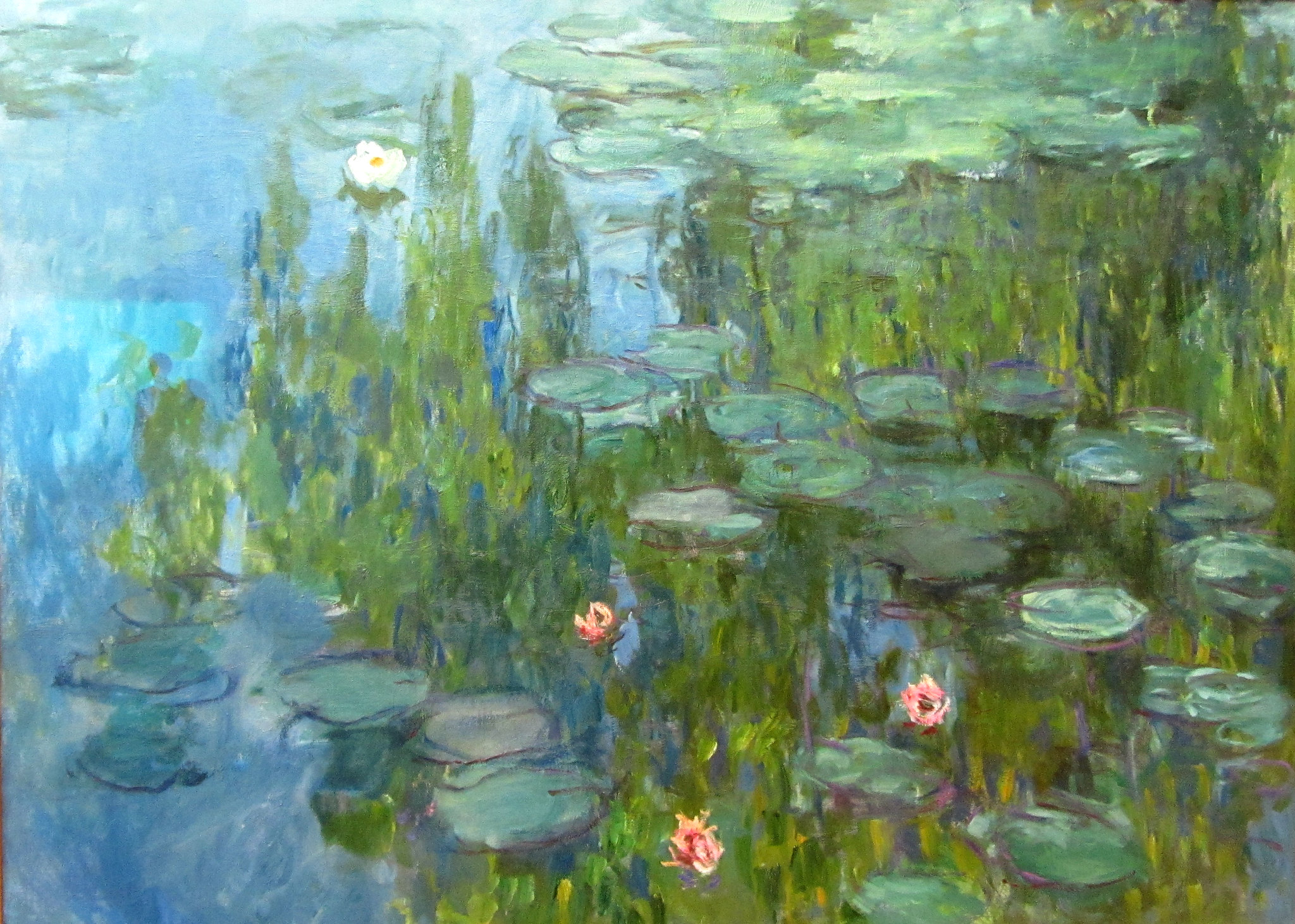
How “AI”-Generated Imagery is Different From Previous Art Technologies
People often cannot tell if an image was made "by hand" or by AI generation.
-
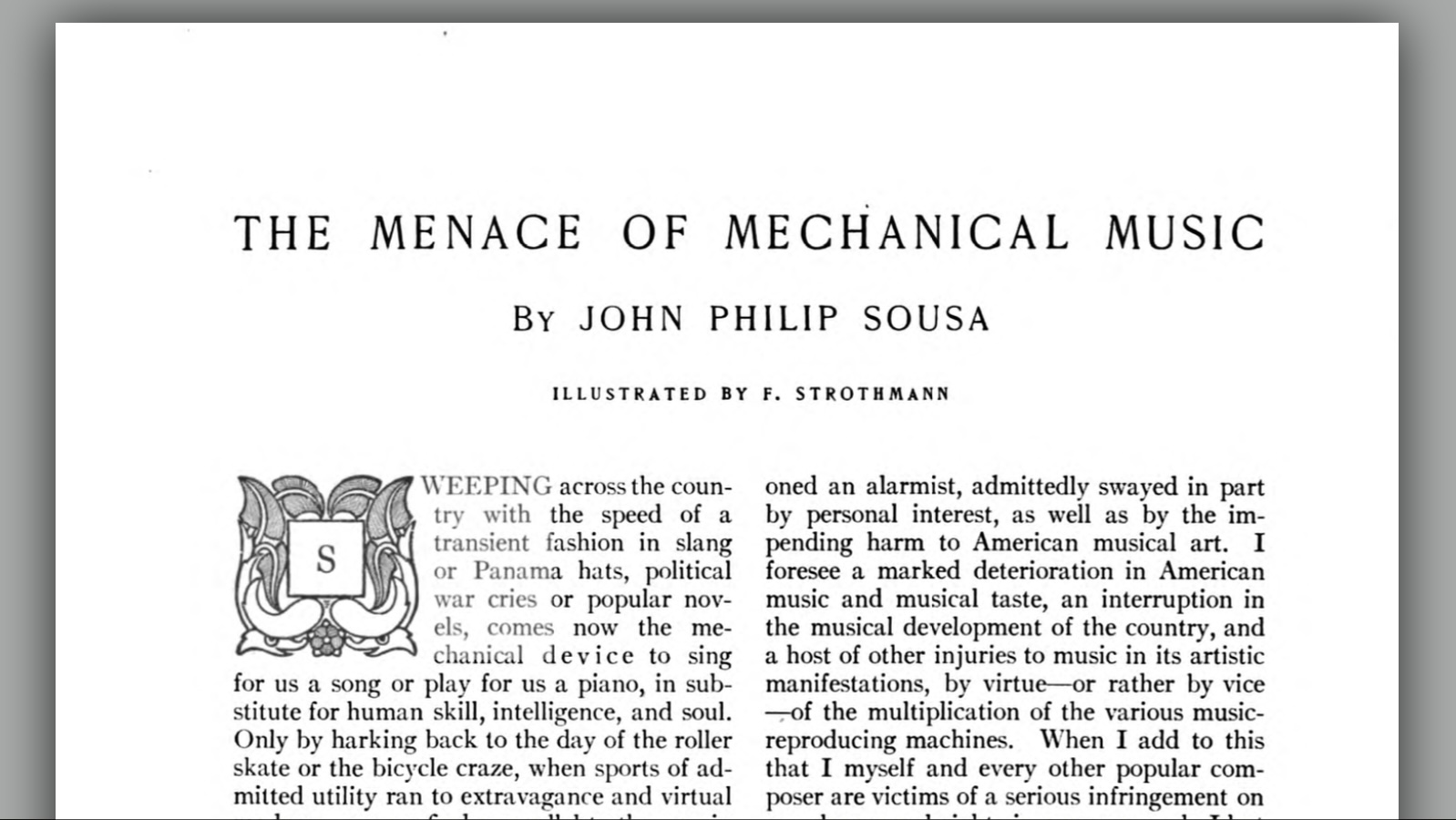
The Menace of Mechanical Music: Was John Philip Sousa right?
How has recorded music been good or bad for us?
-
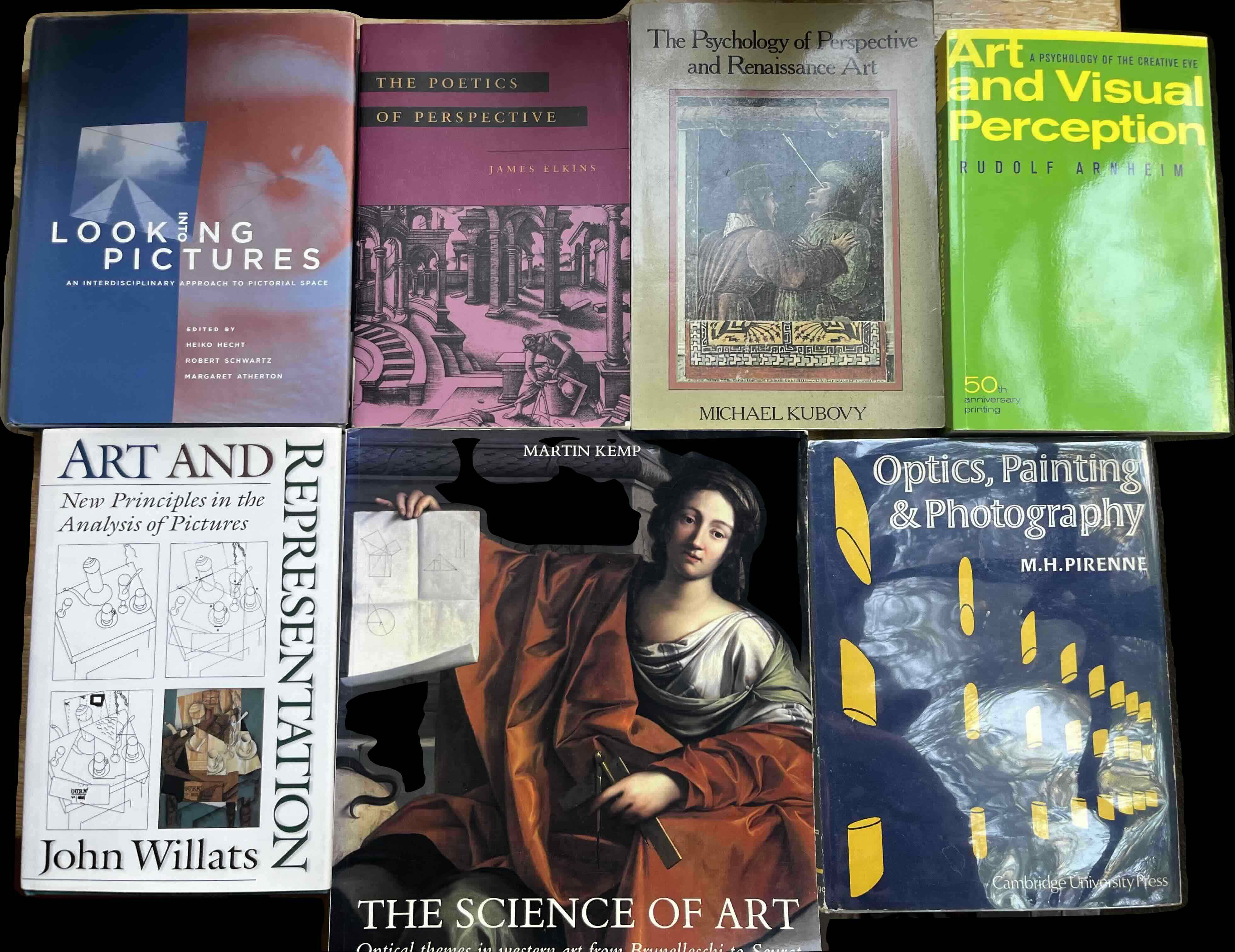
Books That Changed The Way I See The World
Some non-fiction books that profoundly impacted my thinking.
-
Violent Communication in Scientific Paper Reviews
Paper reviews should not discuss the authors.
-
Non-Violent Communication, and Technical Communication
Techniques for better communication that could be useful in technical communication.
-
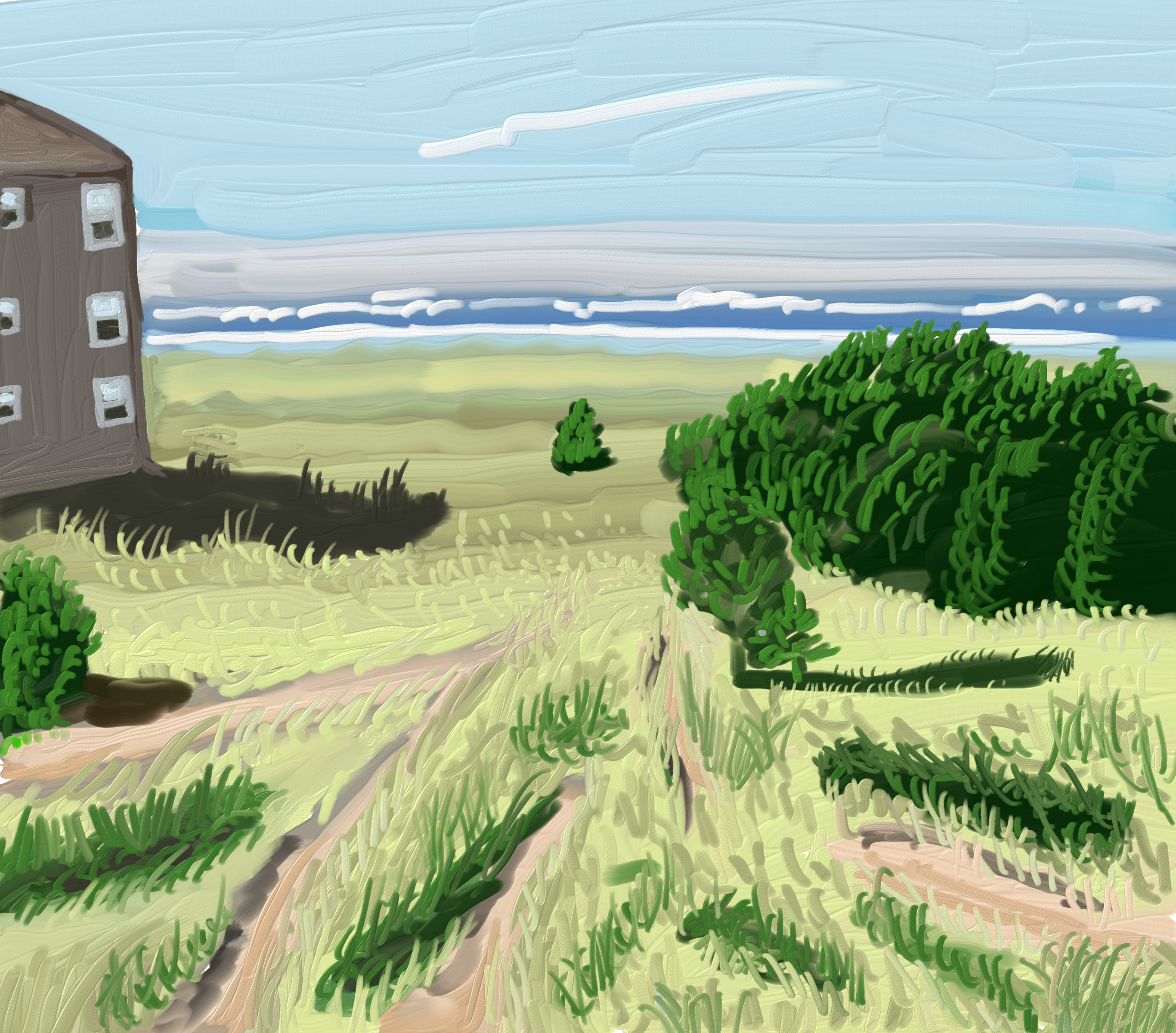
Choices During Painting: A Case Study
An example of how my idea for a painting changes along the way.
-
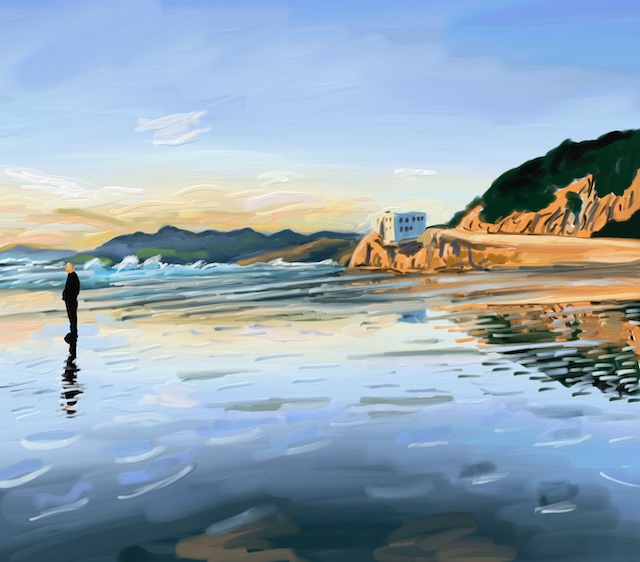
How I Paint Space: Multiperspective Arrangement
How perspective appears in my paintings.
-
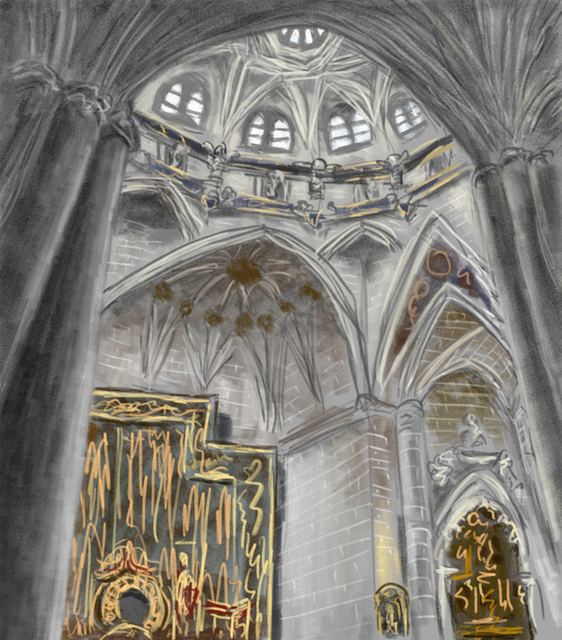
Learning from Painting, Part 7: Finding Inspiration, Six Years Later
Finding the drive to keep working
-
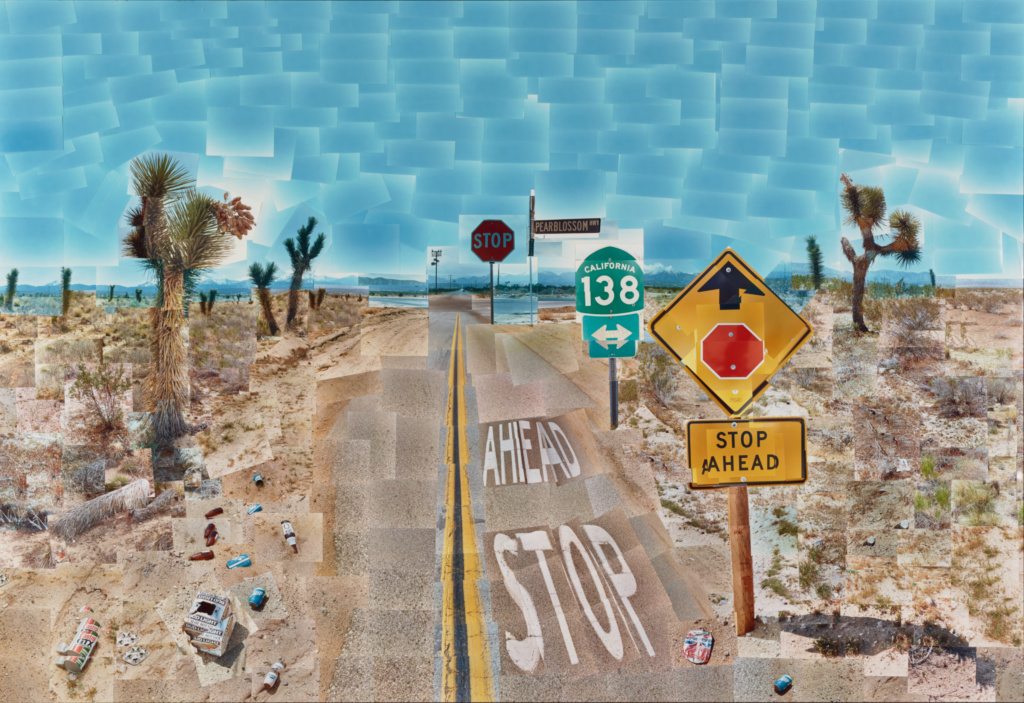
How We Perceive Shape in Painting and Photography: Perspective
A new theory describing 3D perspective in pictures.
-
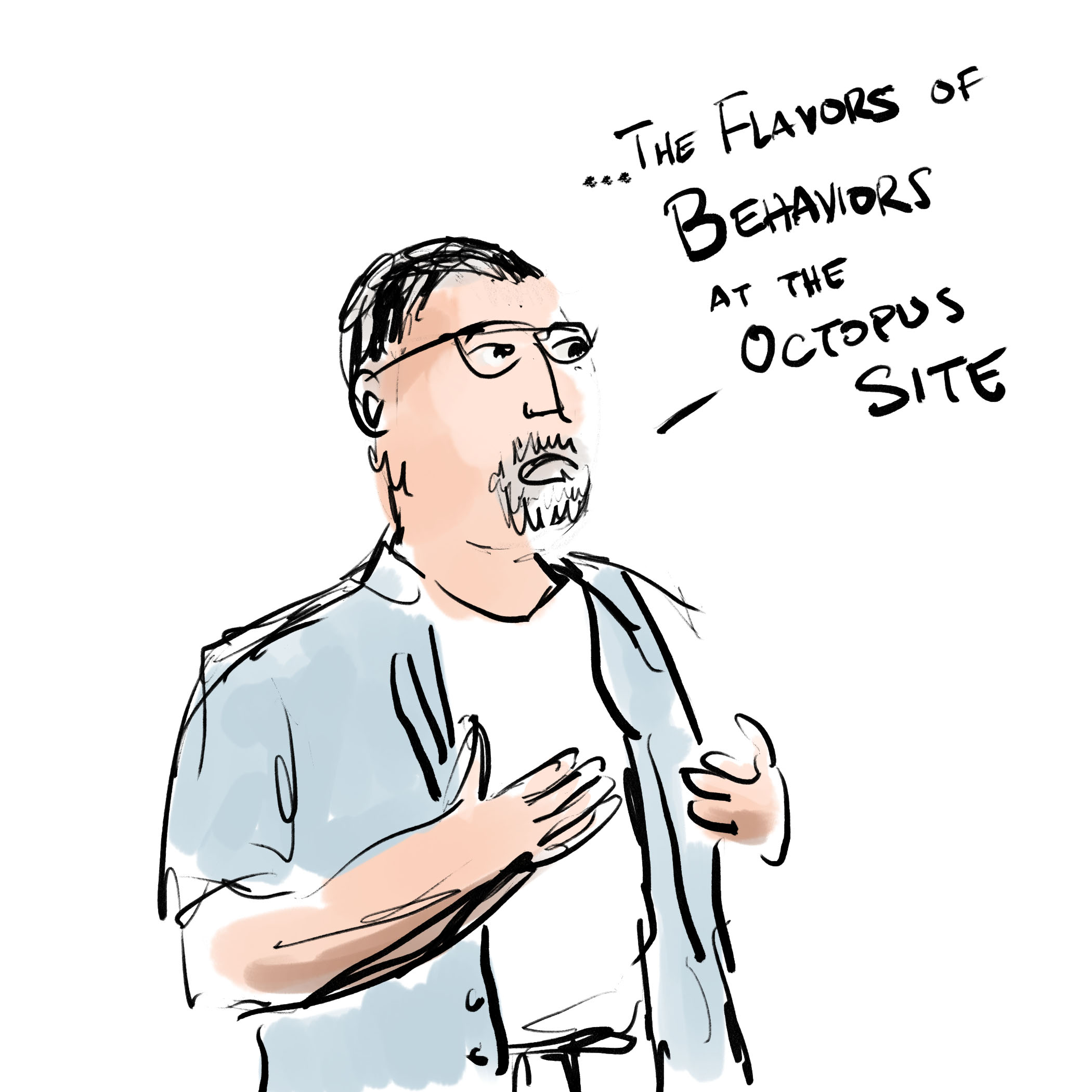
Book Reviews on Consciousness and Intelligence
Thoughts on some books I read recently
-
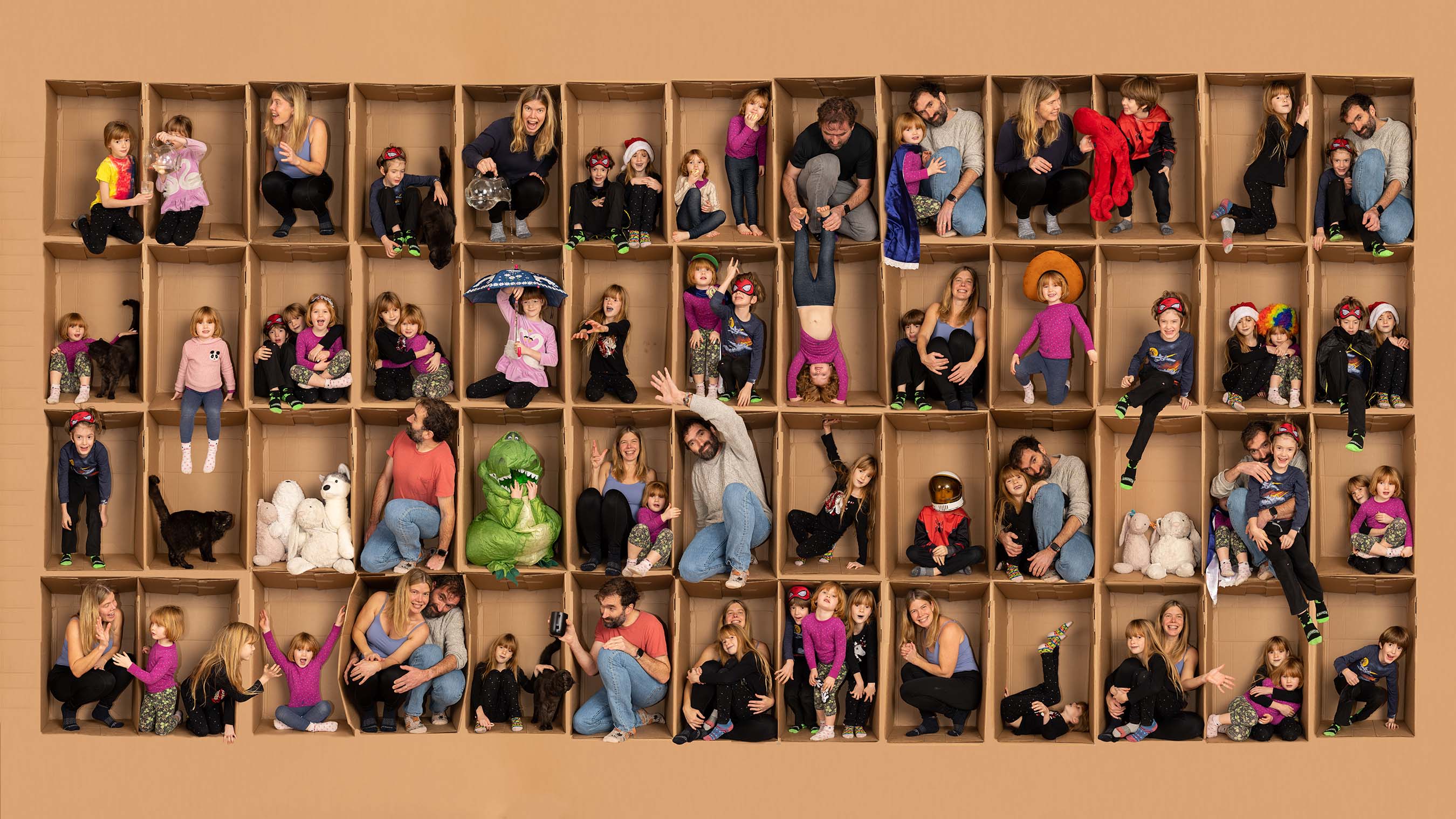
Distortion and Multiperspective in Art and Photography
A theory describing when picures look distorted.
-
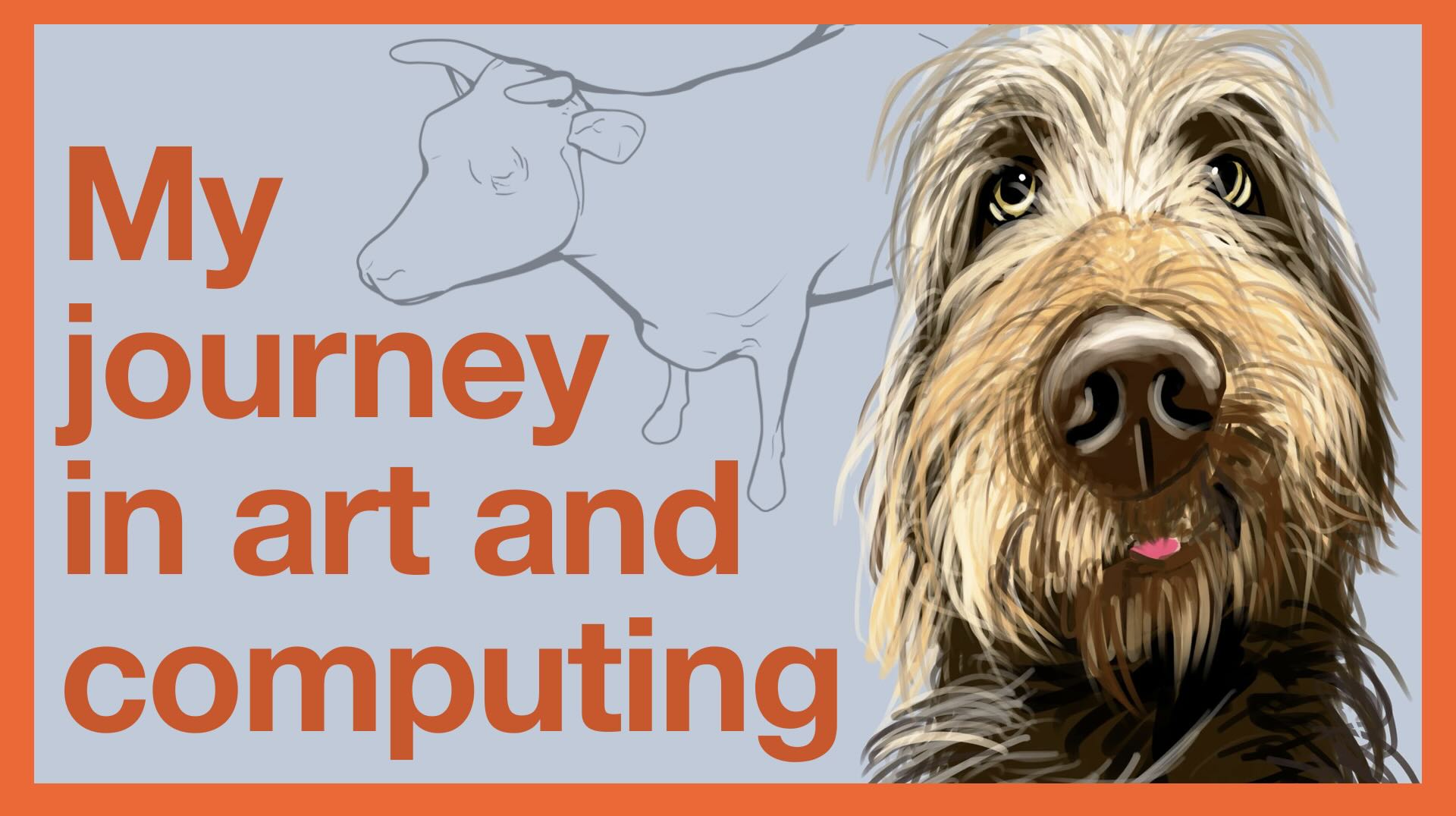
My Journey in Art and Computing, So Far (SIGGRAPH Award Talk)
How painting inspired my research into in computer graphics and art
-
Judgments That Get in the Way of Making Art
If you want to make art, free yourself of negative judgments
-
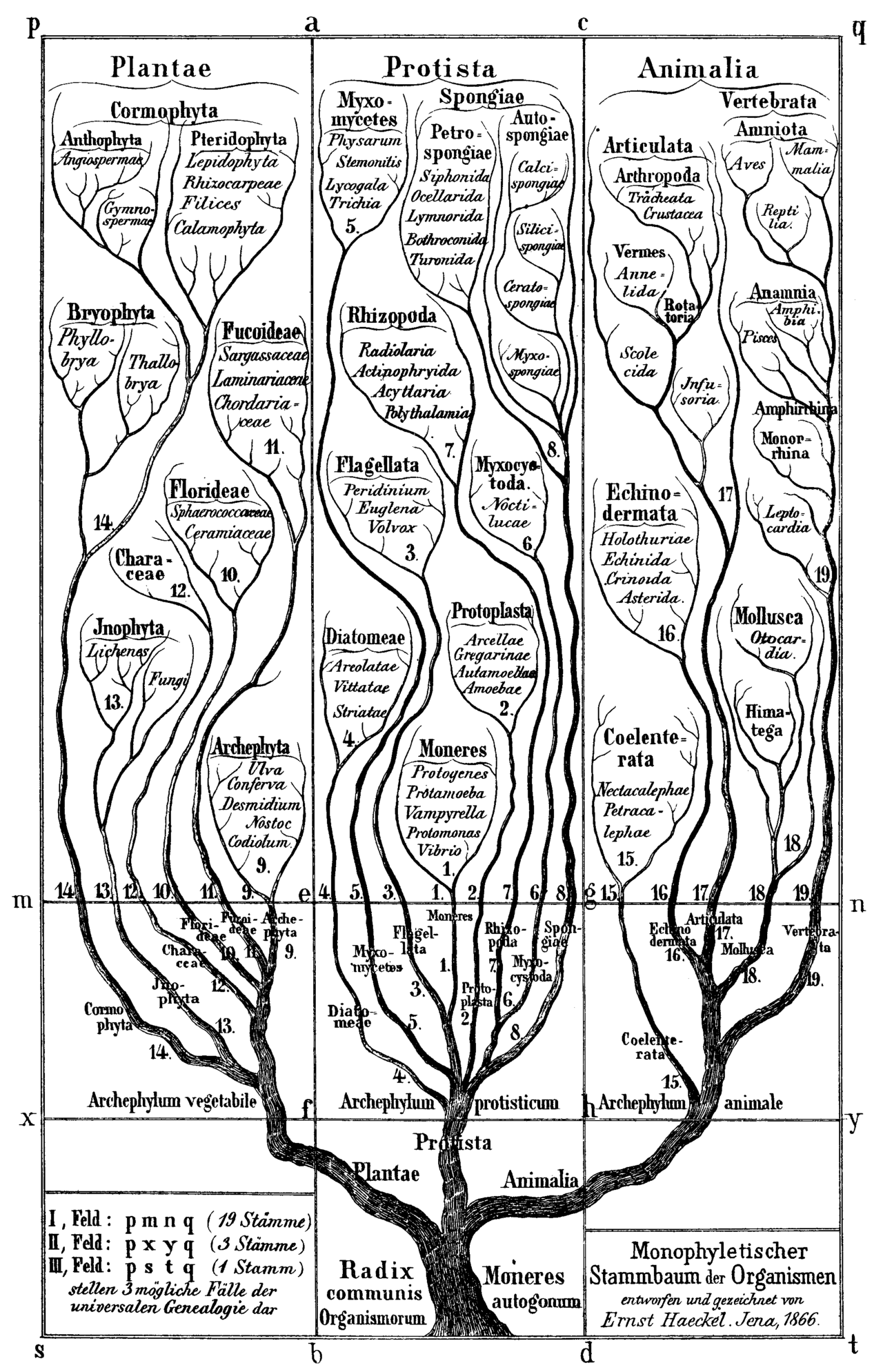
Why Evolution Isn’t Just Optimization
Optimization models many evolutionary processes, but they're not the same.
-
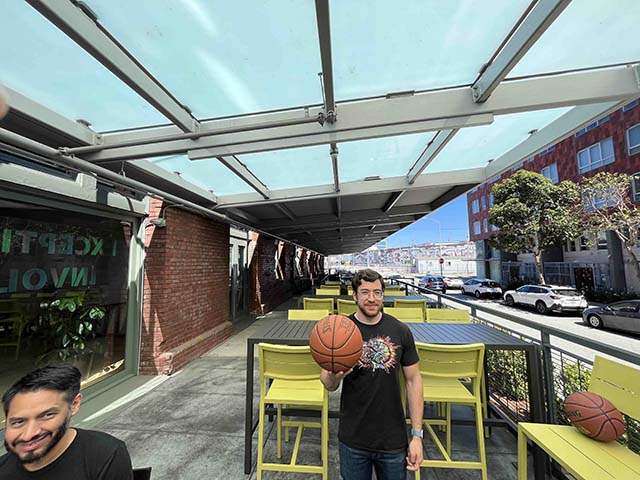
Perspective Distortions: Why Normal Cameras Make Faces Look Weird
How linear perspective distorts pictures.
-
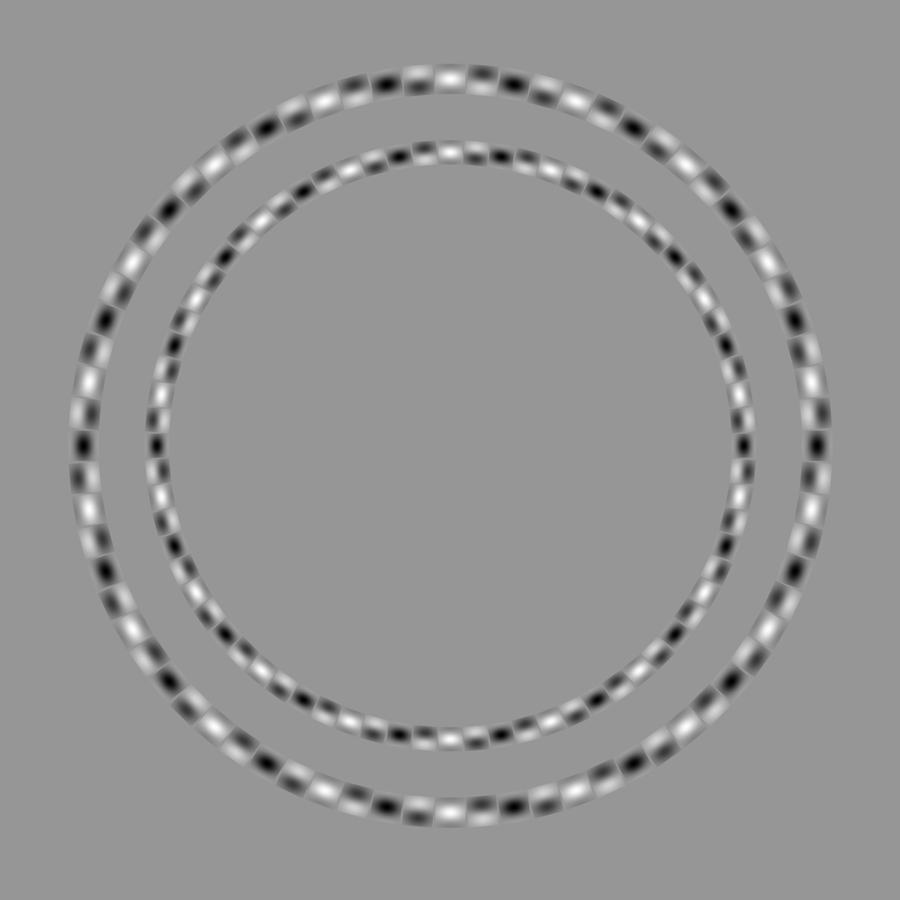
Visual Illusions Explainable by the Limitations of Peripheral Vision
Illusions that reveal the role of eye fixations for pictures
-
The Illusion of Awareness: Why We See Much Less Than We Think We Do
The fascinating, recent scientific explanations for why we fail to see things that are right in front of us.
-
-
-
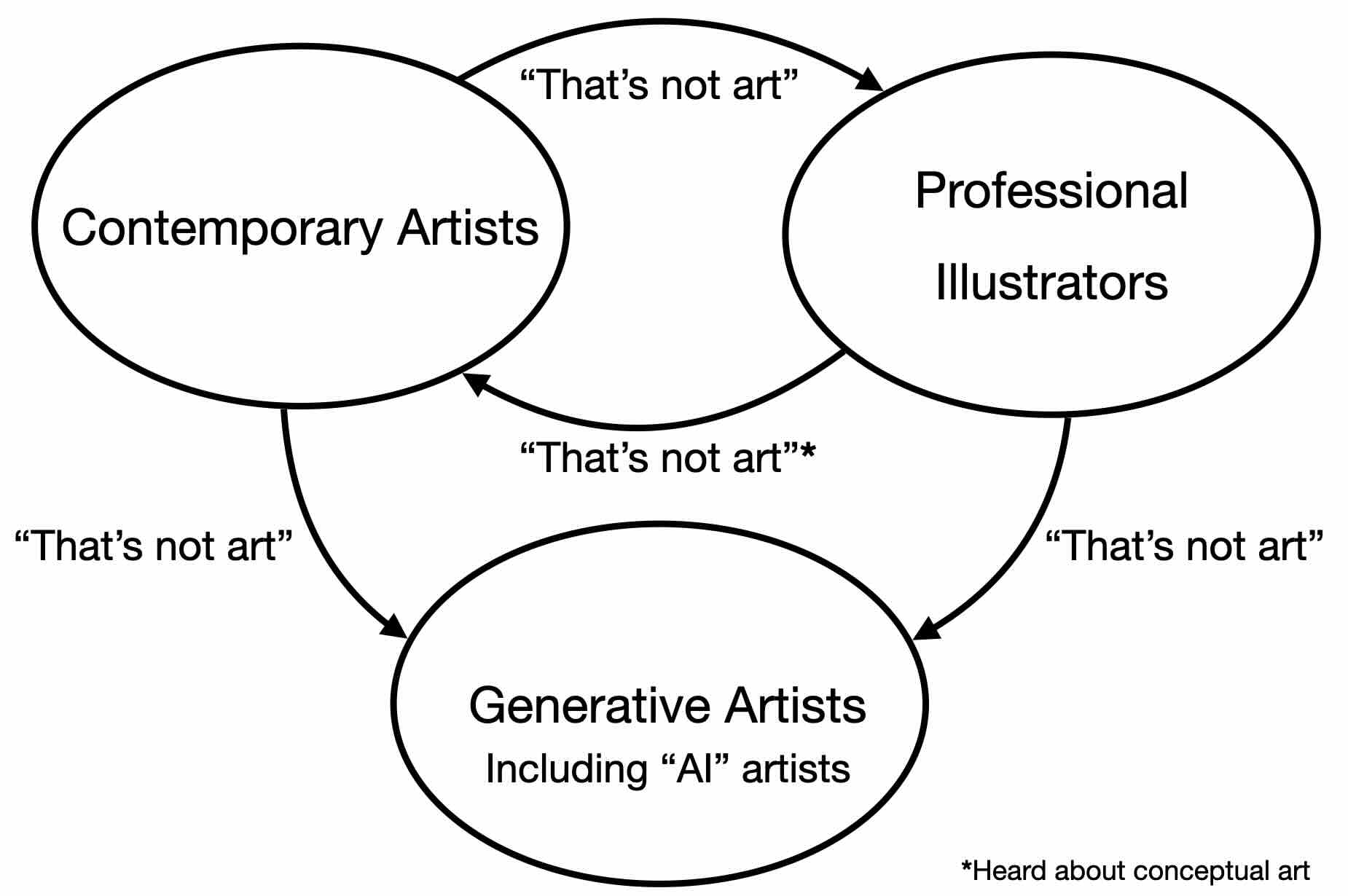
Three Types of Art Technologies
Different historical technologies offer different lessons for "AI" and art
-
-
-
How and Why I Blog
Thoughts and advice on blogging.
-
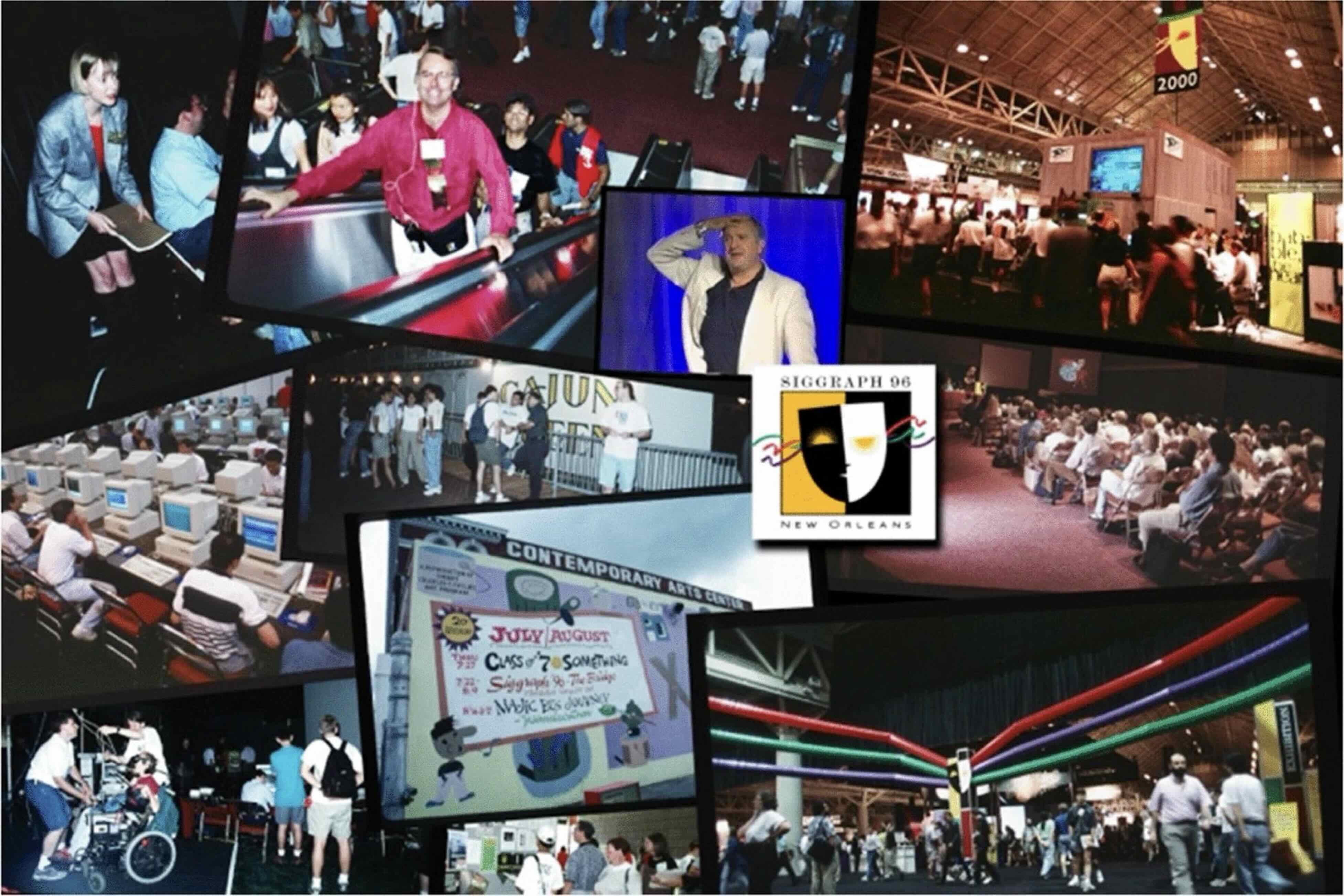
Reminiscence: My first SIGGRAPHs
My first few years at SIGGRAPH, and reflections on what it's like to attend the same conference for many years.
-
Occluding Contour Breakthroughs Part 3: Which Algorithm Should I Use (or Research)?
Summary of different approaches for different cases, and open questions
-
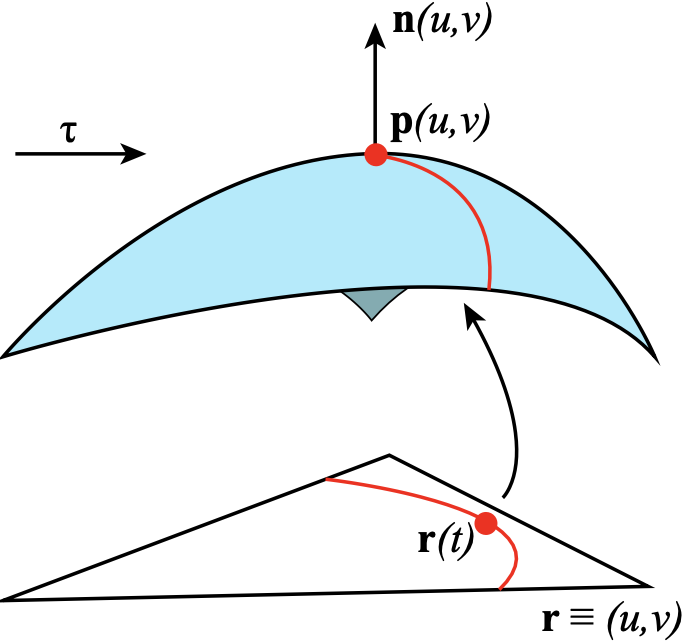
Occluding Contour Breakthroughs, Part 2: Getting It Right
New insight into line rendering algorithms
-
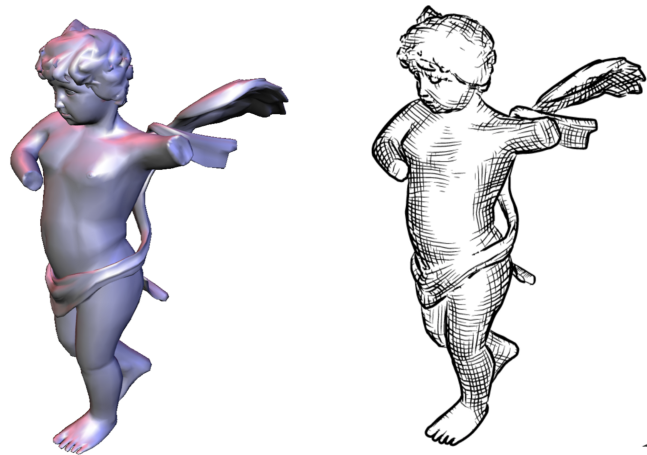
Occluding Contour Breakthroughs, Part 1: A Surprisingly Hard Problem
Exact line rendering of smooth surfaces is harder than anyone would think
-
Computer Science Venues Should Publish Position Papers
We should have peer-reviewed venues for discussing our fields.
-
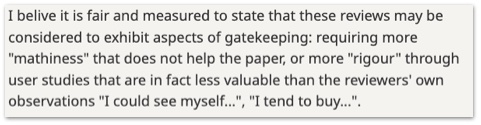
The Curse of Performative User Studies
Why user studies in graphics and vision are (probably) often wrong, and what we can do about it.
-
-
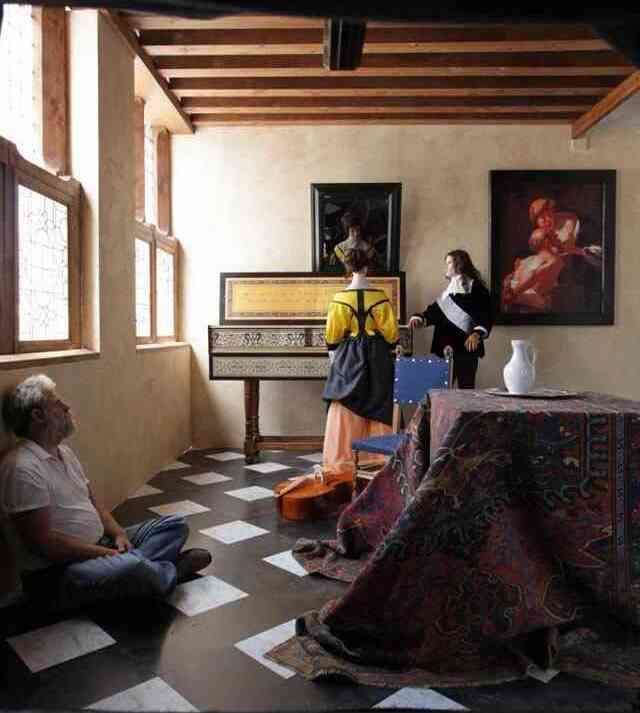
Notes on the Hockney-Falco Thesis, and “Tim’s Vermeer”
Did the Old Masters cheat, and does it matter?
-
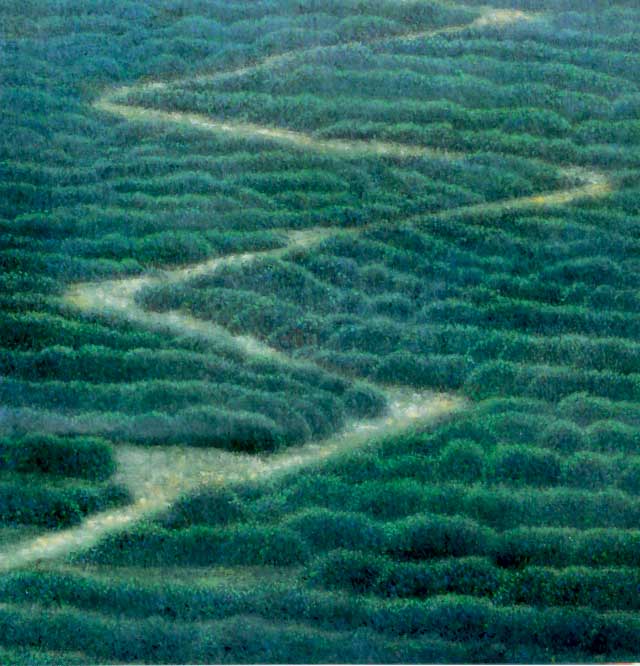
Changing Melodies: Art and Research are Often Open-Ended Exploration
It's liberating to think of art and research as exploration, rather than seeking to achieve fixed goals
-
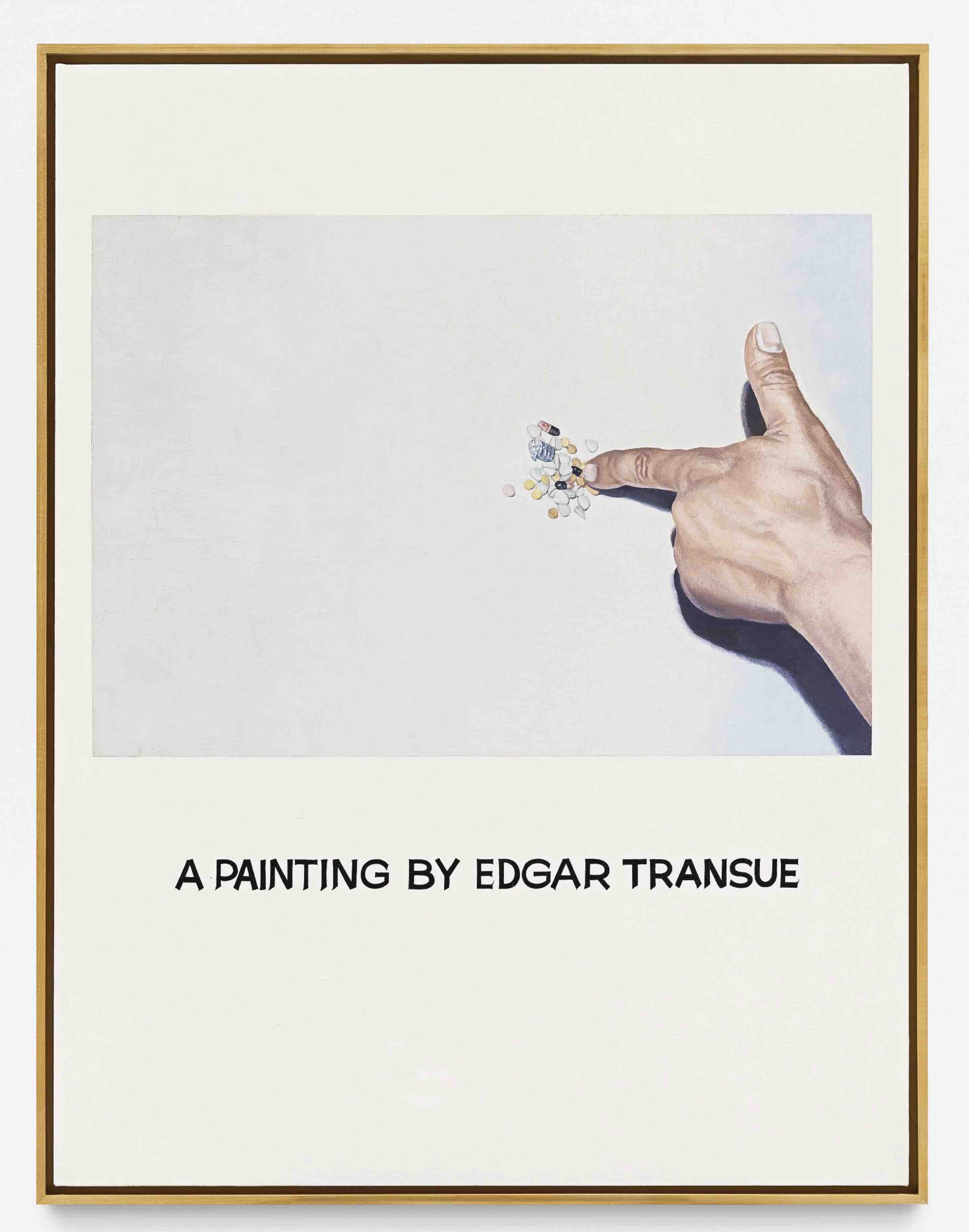
A Catalog of “AI” Art Analogies
Is AI art more like photography, conceptual art, collage, image compression, recorded music, or lava lamps?
-
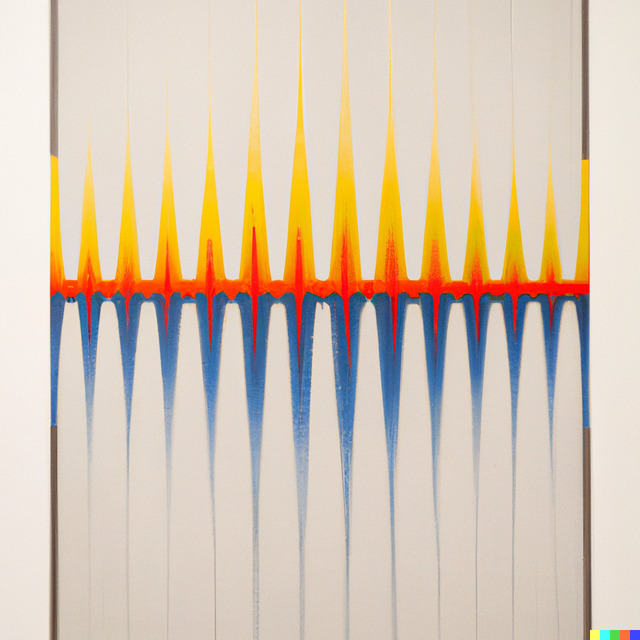
When Machines Change Art
How photography, recorded music, and "AI" art might be similar.
-
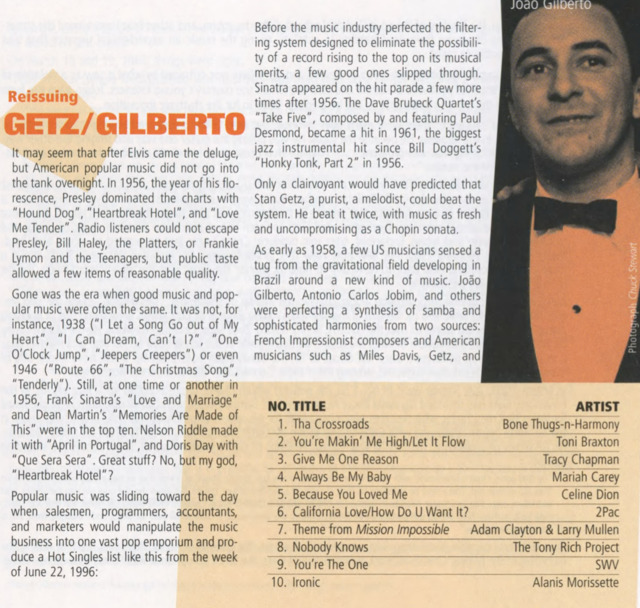
Status Quo Bias
A bit on naive responses to new technology
-
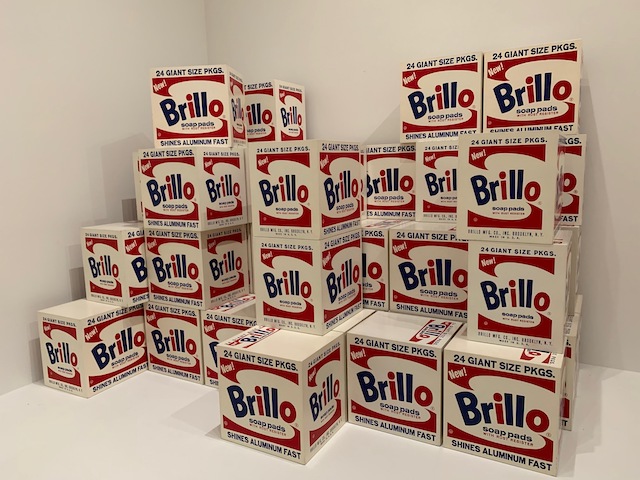
Artworks as Experiments
Artworks often function as experiments, akin to scientific experiments.
-

Amateurs: Making Art at Technological Cutting-Edges
Across different eras, artists that experiment at the boundary of new art and technology have some things in common
-
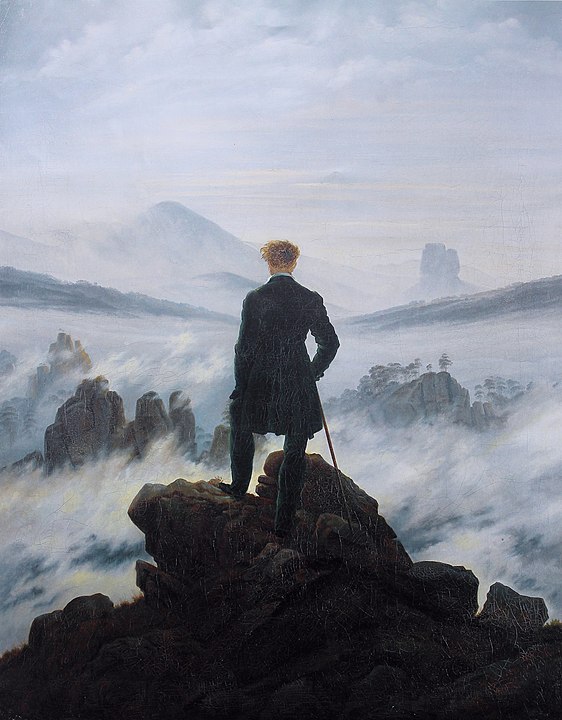
Four Important Eras that Define Art
Four Western art-historical eras, and why I think they are crucial to understanding how we talk about art today
-
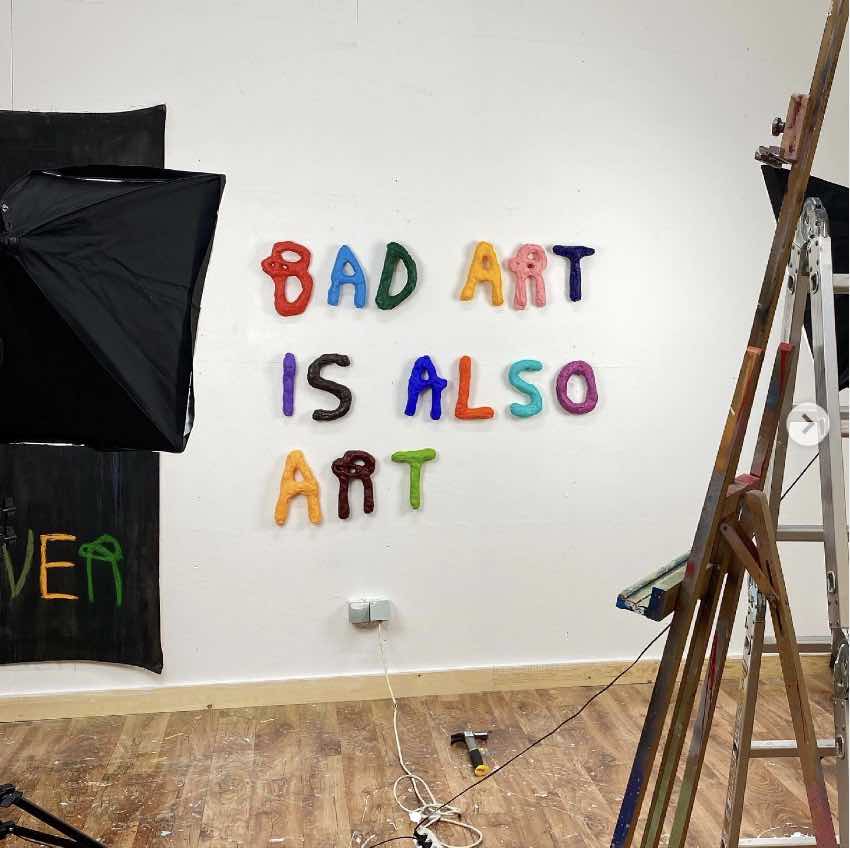
Useful Ways to Talk About of Art (Definitions, Part 2)
Simple heuristics to make it easier to talk and think about art.
-
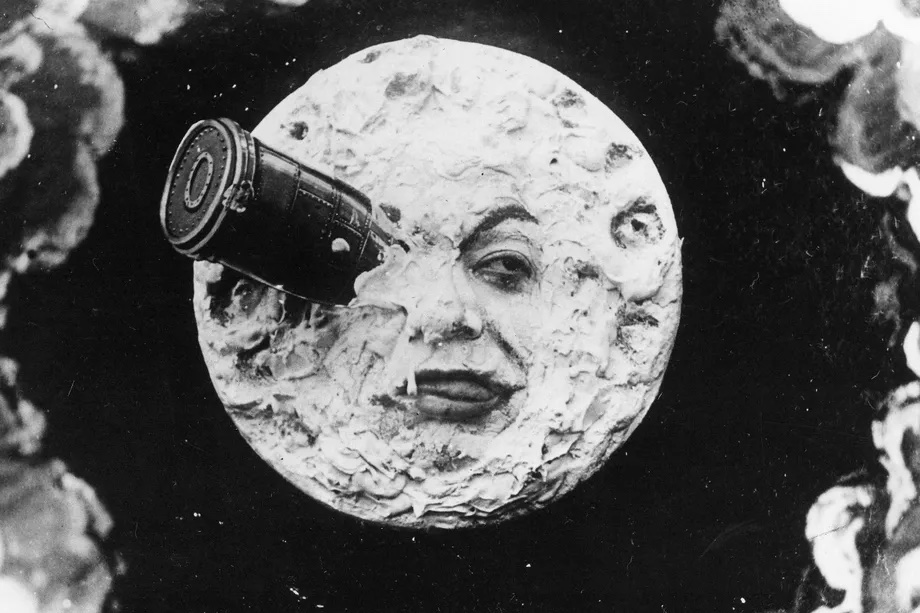
Confusing Definitions of Art (Definitions, Part 1)
Why commonplace definitions of art are wrong, and why it matters.
-
We Aren’t Just Computers
If people are just computers, then why do we have morality?
-
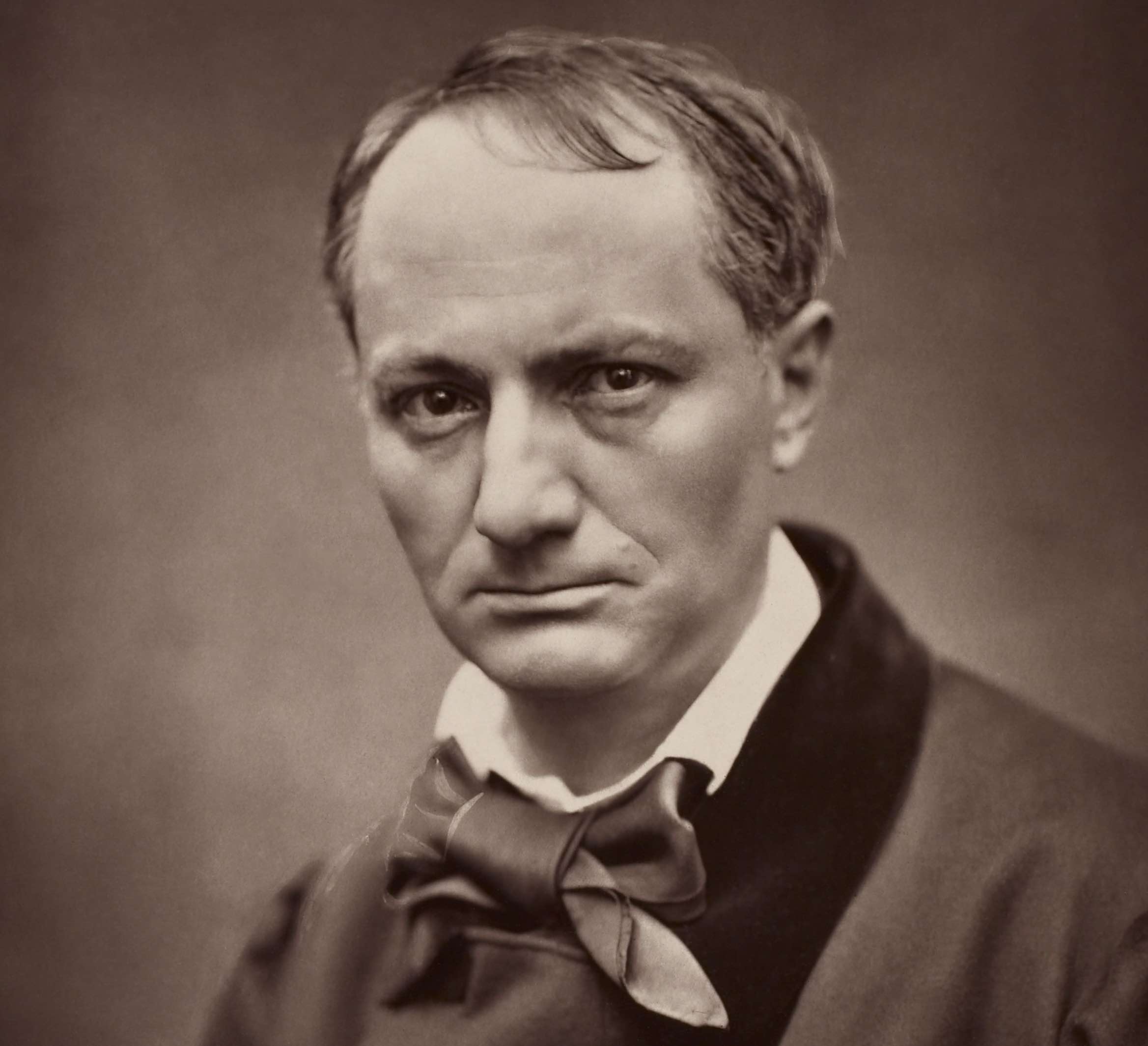
How Photography Became An Art Form
People saw it as a machine replacing artists, but it became an artistic tool
-
Two Recent Art Books
Notes on _Art in the After-Culture_ by Ben Davis and _The Invention of Art_ by Larry Shiner
-
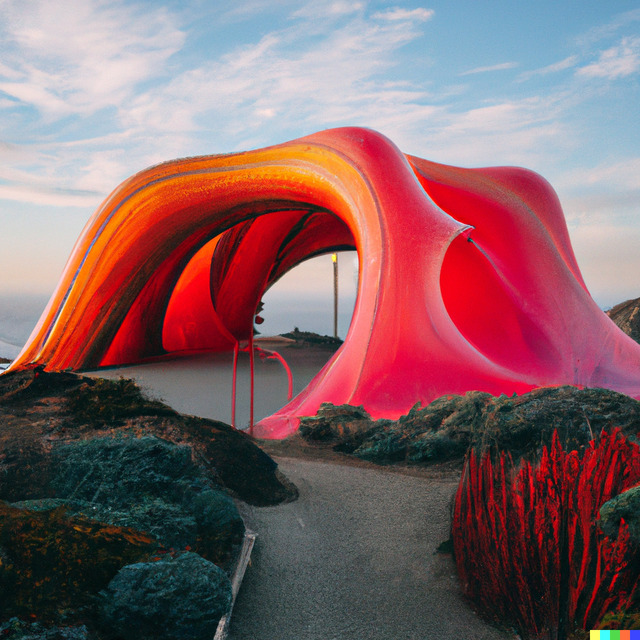
Creative Explorations with DALL-E 2
What does this new demo mean for AI-generated art and creativity?
-
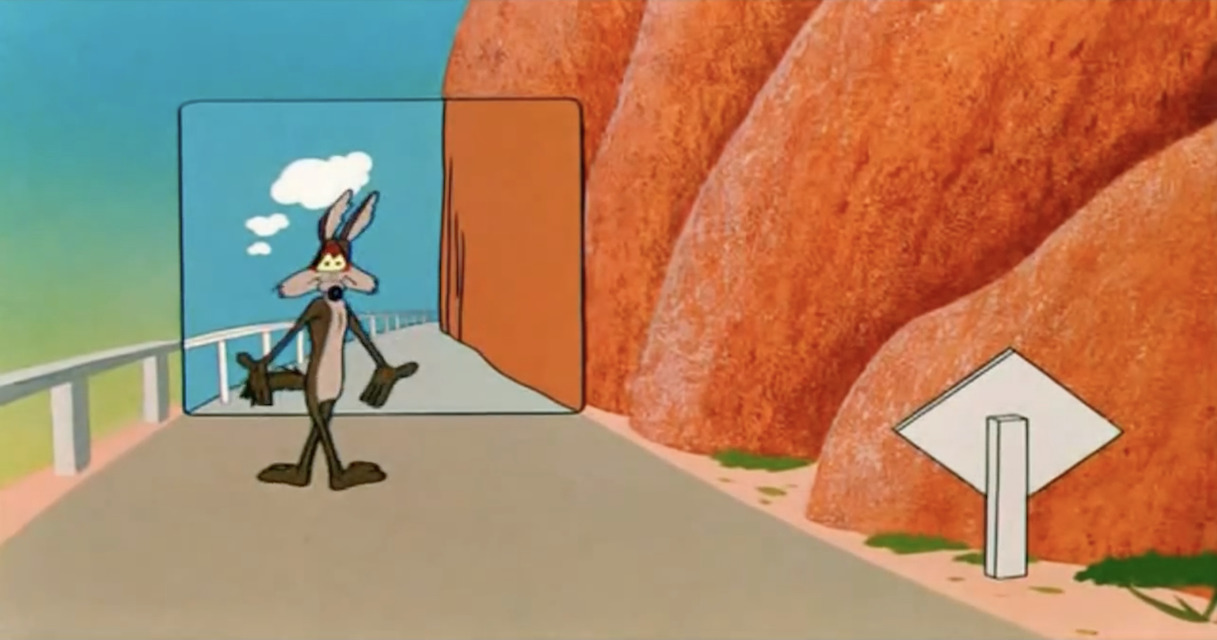
Photography is not Objective, Art is a Set of Choices
Art is not perception
-
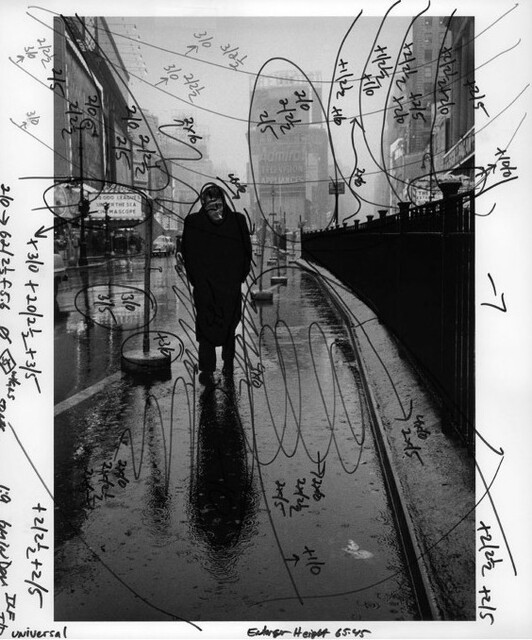
Why Dark and Light is Complicated in Photographs
Choices in photographic tone reproduction
-
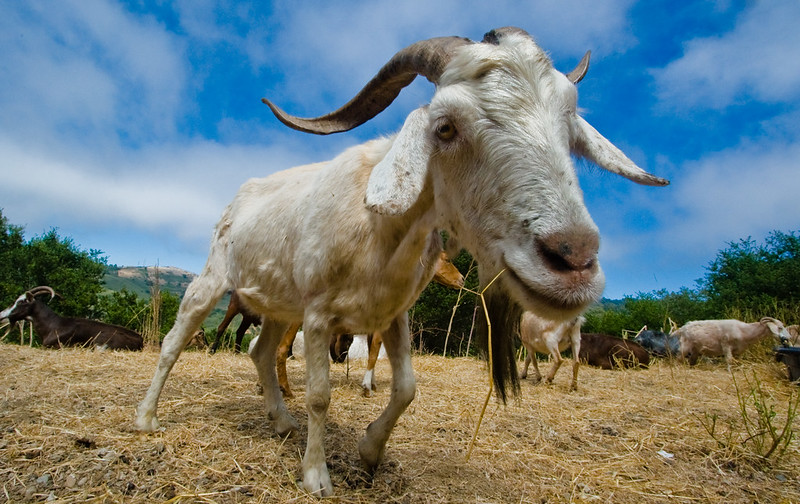
How Does Perspective Work in Pictures?
Why don't photographs make distant objects big enough?
-
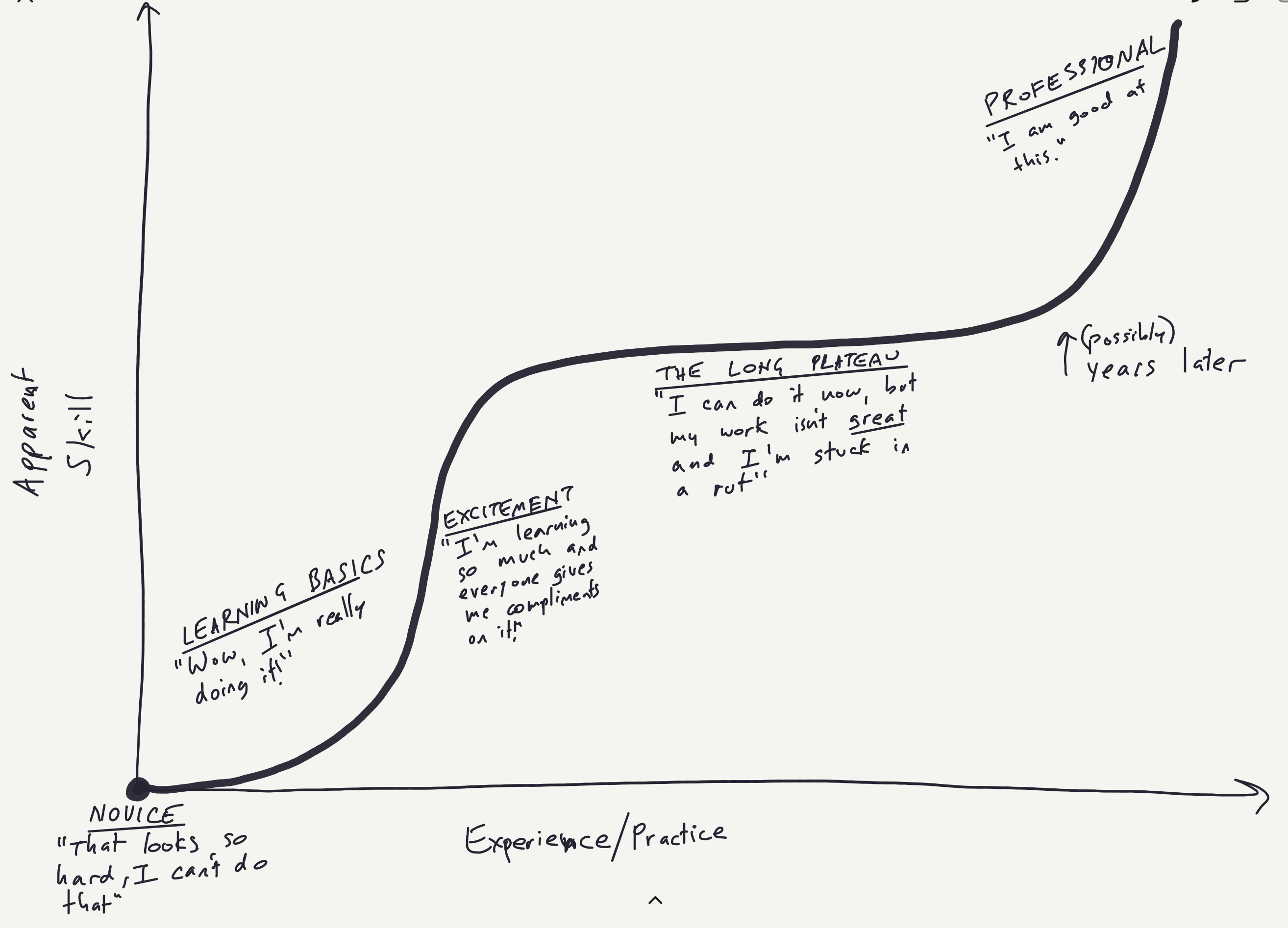
The Skill Learning Curve
How I think about learning skills as an adult
-
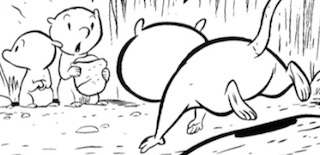
How to Draw Pictures, Part 4: Line Thickness
Simple guidelines for line thickness in drawings, derived from a shading model.
-
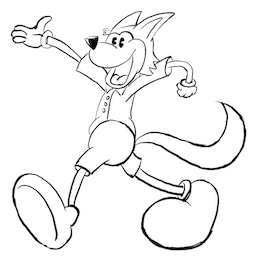
Why Does Line Drawing Work? A Realism Hypothesis
A computer graphics model gives insight into human perception of art
-
Questions for Computational Creativity Research
I keep feeling like I'm missing something
-
Art is Fundamentally Social
A way to understand art I've found helpful for understanding new artistic technologies
-
The Life-Cycle of AI Art Techniques
How AI art evolves from technology to creativity
-
To Buy or Not To Buy CryptoArt
Weighing pros and cons of CryptoArt
-
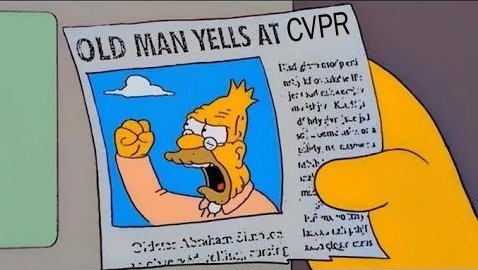
Suggestions for Computer Vision Review Processes
Some ideas to improve the CVPR/ICCV/ECCV AC-ing
-
Understanding Visual Art as Computation: A Hypothetical Book Introduction
An outline/summary of my research around understanding art
-
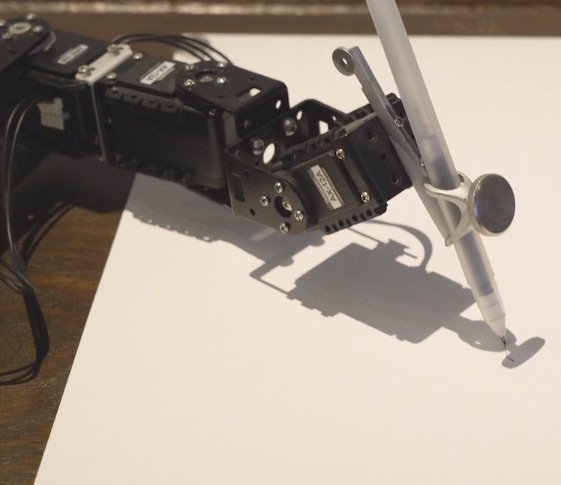
How I Began to Appreciate Robot Painting
When drawing with a robot is different from just printing out a picture.
-

Why DeepDream Dreams of Doggies
How dataset choices long ago unexpectedly produced an AI art phenomenon.
-
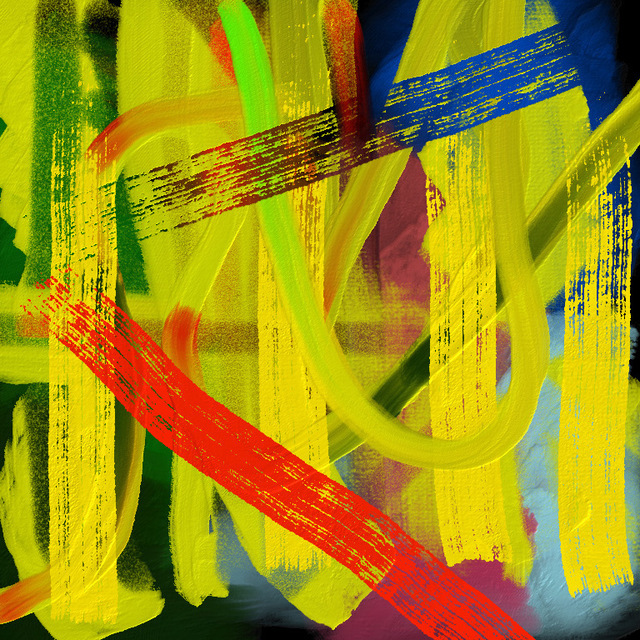
Learning from Painting, Part 6: Abstract Painting
Reflections on recent experience with digital painting and drawing
-
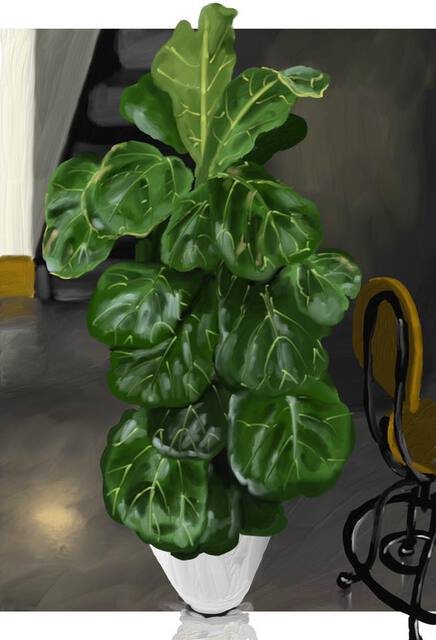
Learning from Painting, Part 5: Embracing Digital Painting
Reflections on recent experience with digital painting and drawing
-
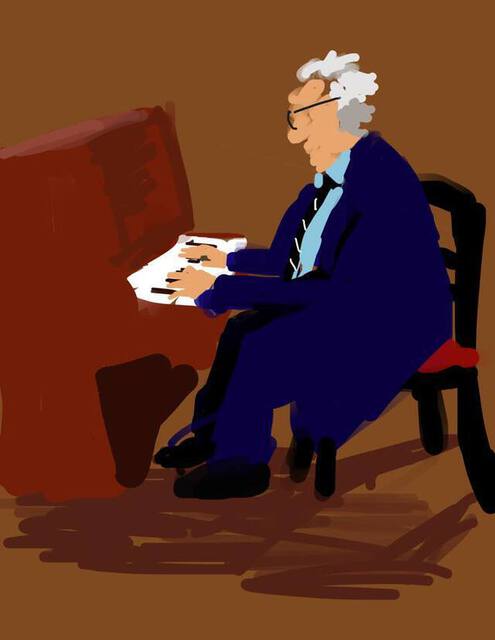
Learning from Painting, Part 4: Time and Speed
Reflections on recent experience with digital painting and drawing
-
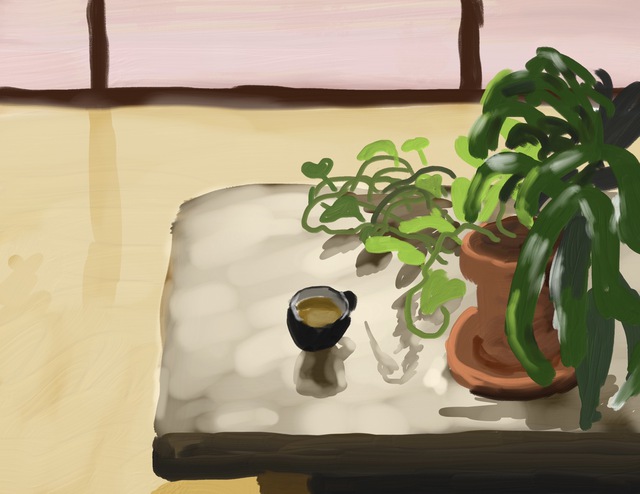
Learning from Painting, Part 3: Planning and Strategy
Reflections on recent experience with digital painting and drawing
-
Quantitative Evaluation Isn’t Everything
Sometimes computer vision reviewers focus too much on scores, especially for image synthesis papers.
-
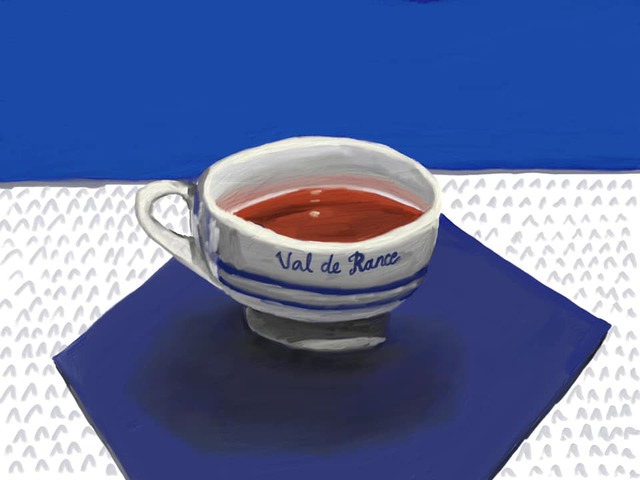
Learning from Painting, Part 2: The Goal
Reflections on recent experience with digital painting and drawing
-
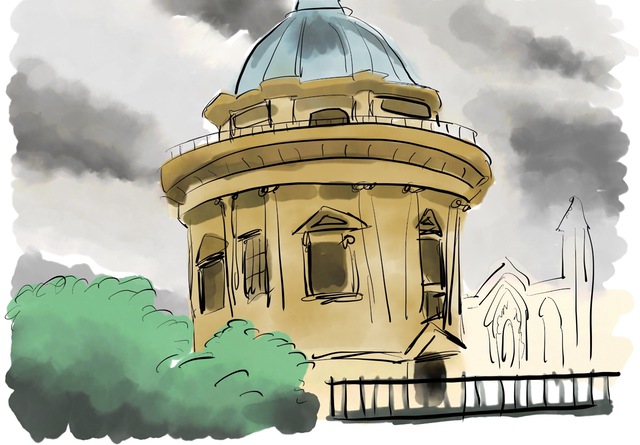
Learning from Painting, Part 1: Art is a Process
Reflections on recent experience with digital painting and drawing
-
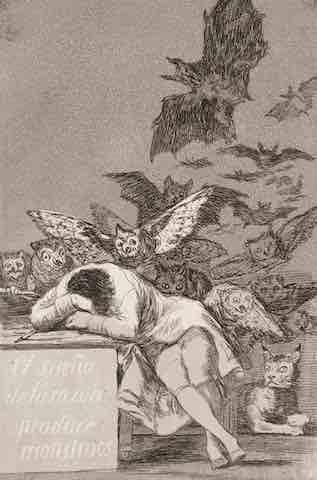
Dreaming and Sampling
How dreams could be gradient updates
-
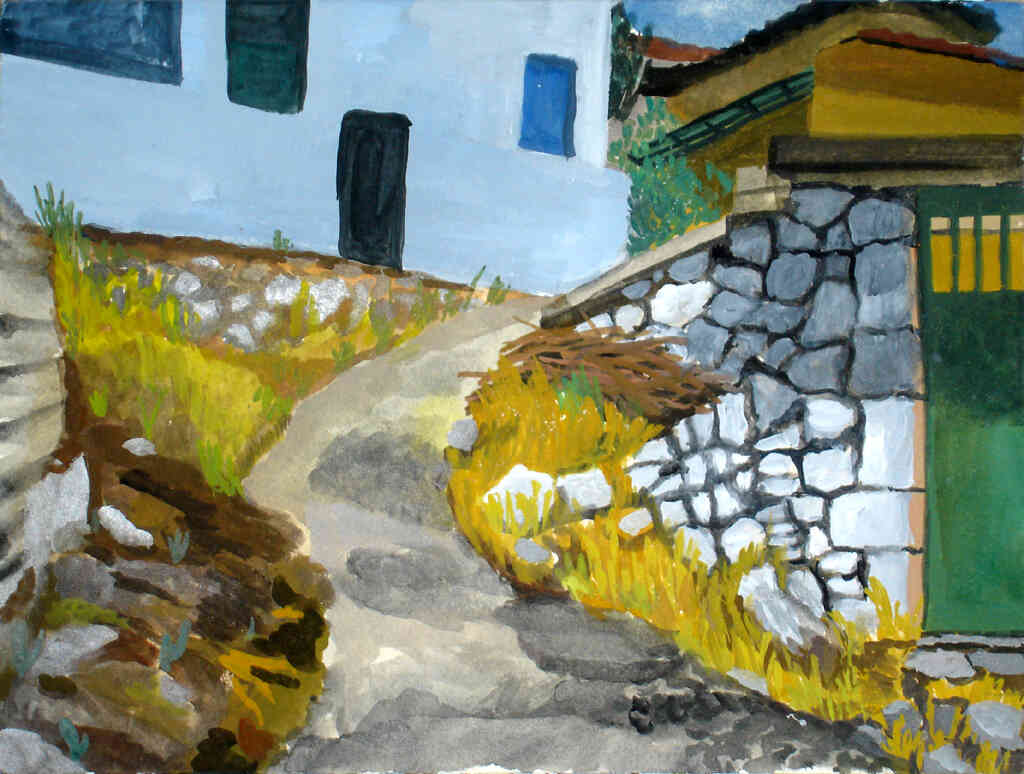
Painting in Karies
Reflections on a painting course I took in college
-
How to Draw Pictures, Part 3: Style
Different styles in non-photorealistic rendering
-
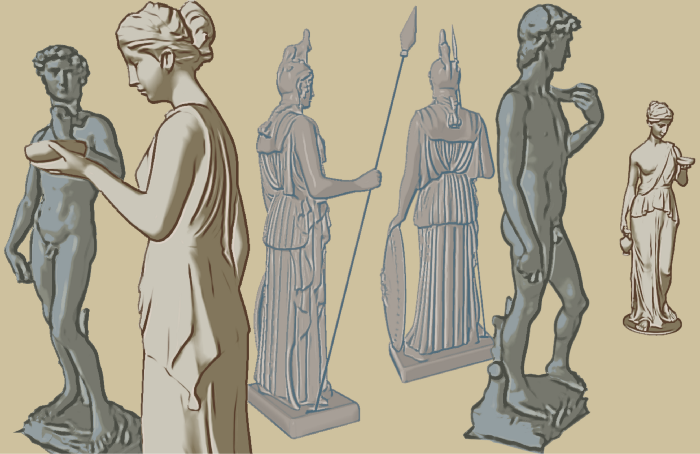
How to Draw Pictures, Part 2: Suggestive Contours
A non-technical introduction to non-photorealistic rendering, part 2
-
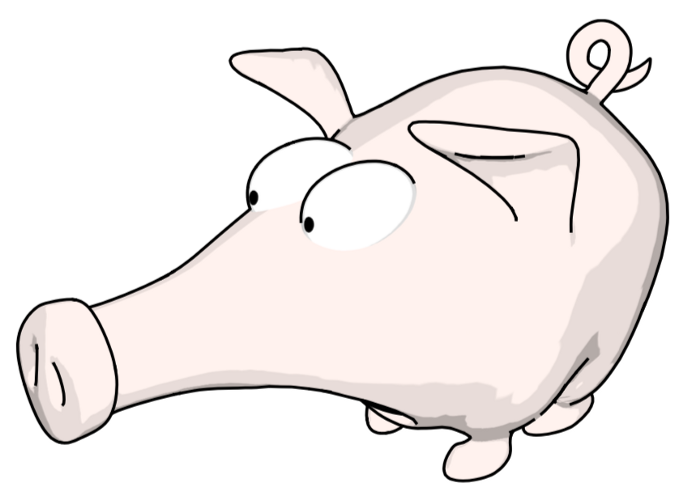
How to Draw Pictures, Part 1: Contours
A non-technical introduction to non-photorealistic rendering, part 1
-
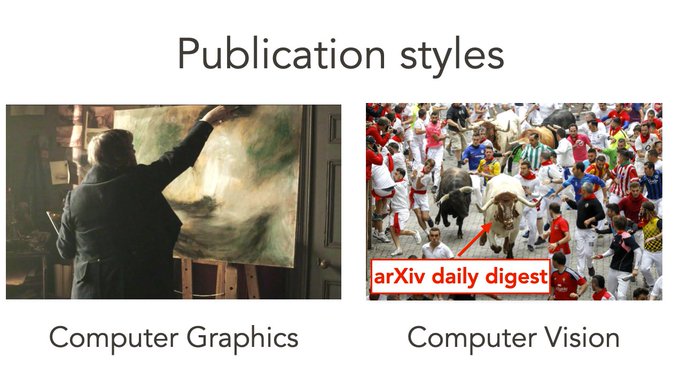
What if CVPR is a Graphics Conference?
What does it mean that so many graphics papers are being published in vision conferences?
-
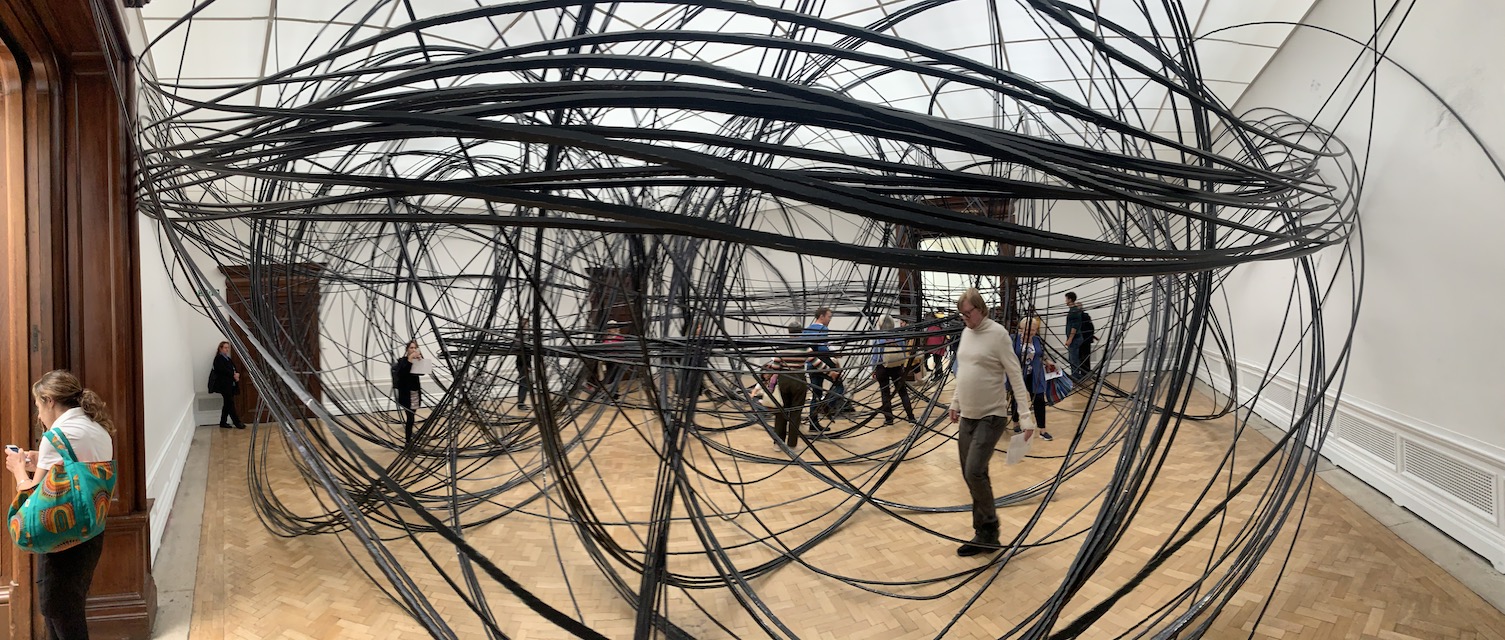
What is Contemporary Art?
Essential elements of contemporary art that I haven't found written down anywhere else
-
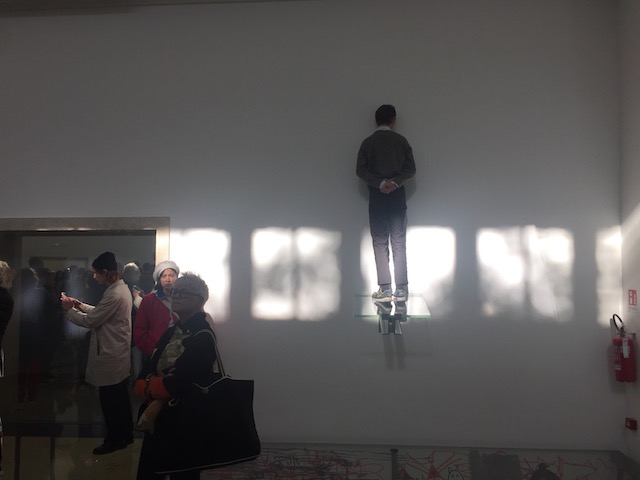
What is “What is Art?”
What is even the question?
-
-
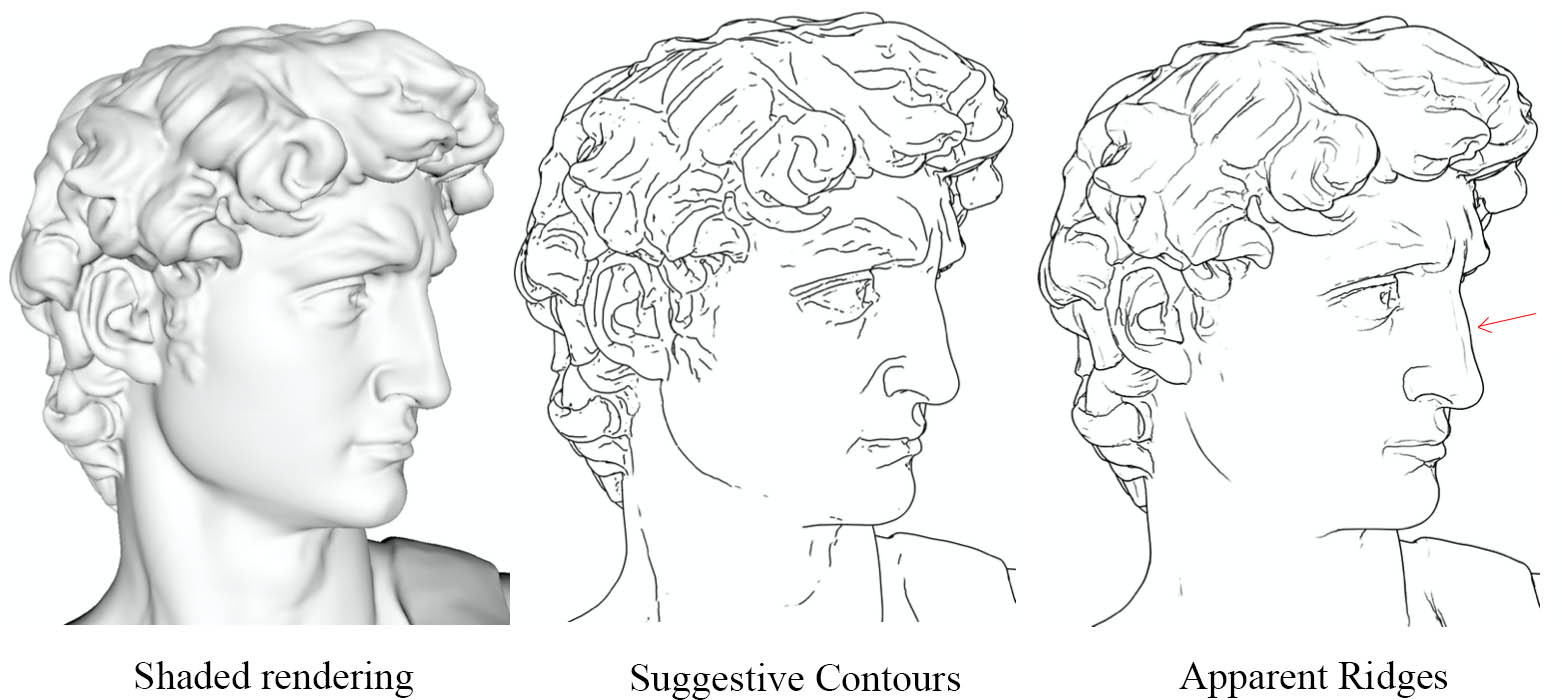
Apparent Ridges, Edges, and Perception of Line Drawing
How the Apparent Ridges algorithm may relate to perception of line drawing
-
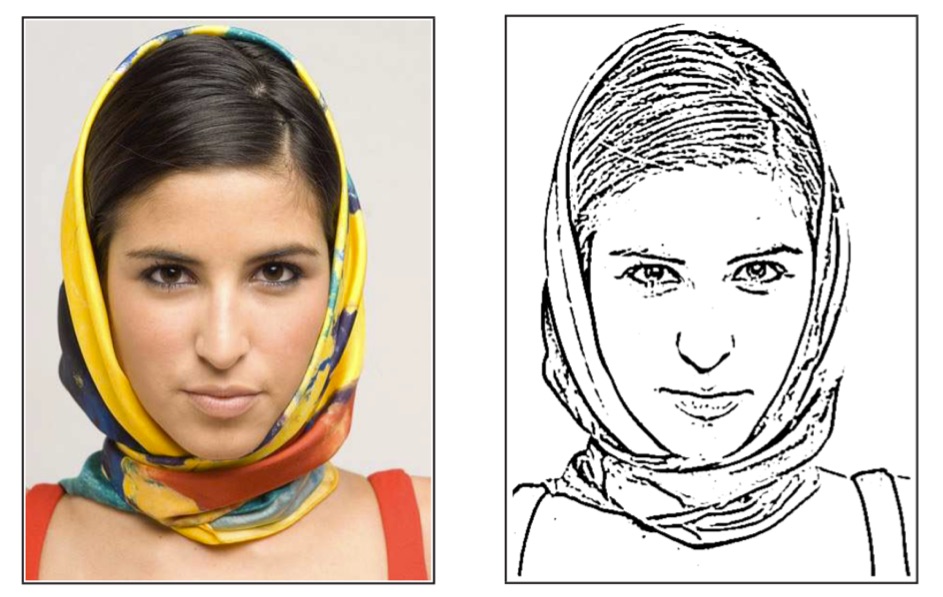
Why Edge Detection Doesn’t Explain Line Drawing
Reasons to be skeptical of the conventional wisdom about line drawing perception
subscribe via RSS